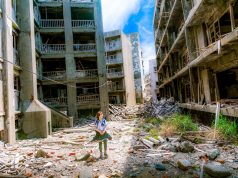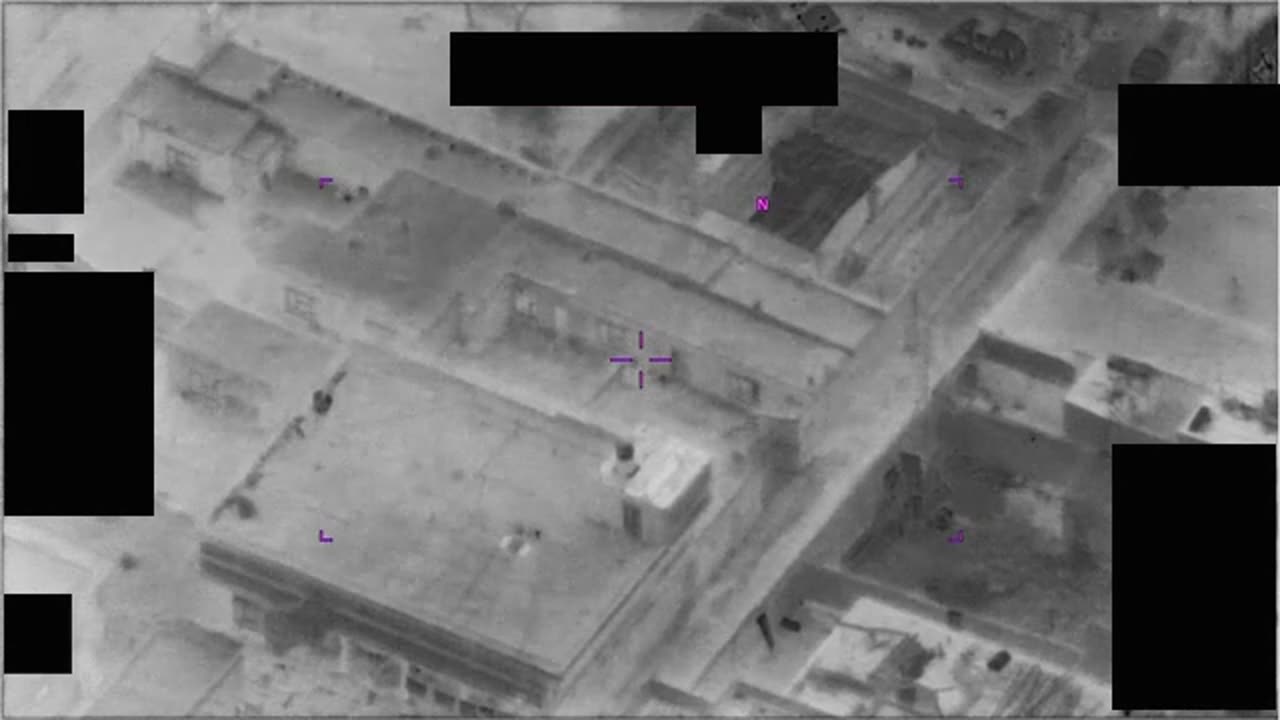
Five people are dead after a house roof caved in on them in Punjab’s Tarn Taran District on March 2, 2025. The collapse was instantaneous. No survivors were pulled from the debris. That much is known. What comes next is a reckoning with how buildings in this part of India hold up — or fail to.
The Tarn Taran District sits in northwestern Punjab, a stretch of fertile agricultural land where wheat and rice dominate the landscape. The region is also no stranger to punishing weather. Heavy rainfall and strong winds are common. They strain roofs, walls, foundations. The house that collapsed was likely no different from thousands of others in the area — built years ago, maybe decades, with little thought to what a storm or simple wear might do over time.
Authorities are expected to investigate. The cause could be poor construction. It could be aging infrastructure. It could be extreme weather. The report gives no single answer. That ambiguity is itself a problem. Without a clear cause, fixing the underlying issue becomes guesswork.
The community is in mourning. Five families lost someone. That is the immediate human cost. But the fallout spreads wider. Every neighbor who saw that roof fall now wonders about their own ceiling. Every local official now faces pressure to act — or questions about why they did not act sooner.
Building collapses are not rare in India. They happen in cities and villages alike. Often the reasons are the same: cheap materials, lax enforcement, no inspections. Tarn Taran is not an exception. It is a case study.
The report notes that India has been investing heavily in renewable energy — solar and wind — to cut dependence on fossil fuels and boost energy security. That is a separate policy track, but it connects here. Money and attention go to one priority. Another gets less. Infrastructure maintenance, especially for older homes in rural districts, rarely makes the front page. Until a roof kills five people.
What to watch next is the investigation. Will it be thorough? Will it name builders, owners, inspectors? Or will it conclude with vague references to weather and age, leaving no one accountable? The report suggests authorities are “likely” to launch an inquiry. That is not a guarantee.
There is also the question of what happens to the site. Will the debris be cleared quickly? Will the families receive compensation? The report does not say. In past incidents in Punjab, compensation has been slow and uneven. There is no reason to assume this time will be different unless the government steps in with a clear plan.
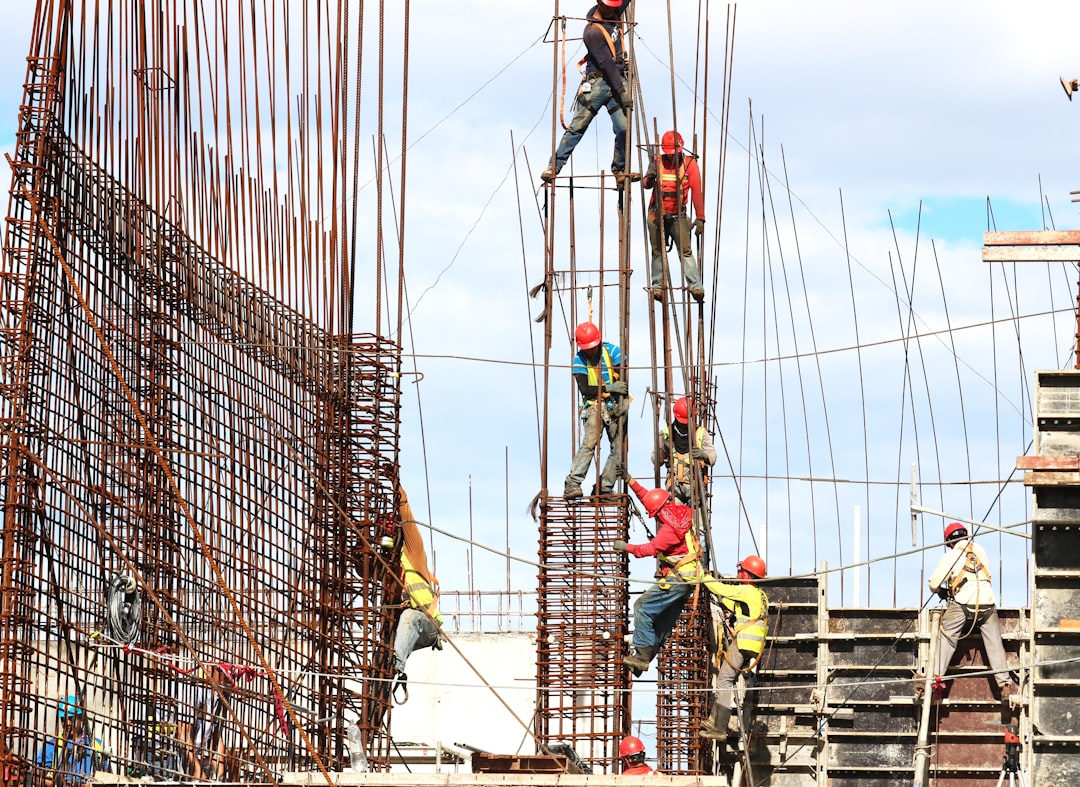
The broader issue is structural safety in rural India. Many homes are built by local masons using traditional methods. No engineers sign off. No permits are pulled. No inspections happen. The roof that fell in Tarn Taran was probably built that way. It held for years. Then it did not.
Regular inspections and maintenance are the obvious fixes. The report calls for them. But inspections require money, trained staff, and political will. In a district known for its agriculture and culture, not its building codes, those resources are thin.
For now, five people are dead. The roof is down. The community is left to bury its dead and wait for answers. The next step belongs to the authorities. Whether they take it — or let the rubble sit — will determine if this tragedy becomes a turning point or just another statistic.