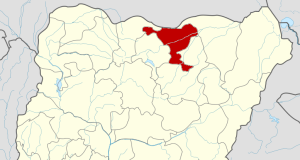
The concrete and timber roof that collapsed in Charsadda district on January 4 did not just kill six people. It buried questions about building safety in Khyber Pakhtunkhwa province under the rubble.
Five others were pulled out injured. The full count of those affected is larger. Each victim had family, neighbors, coworkers. The ripple moves outward from the site into the community. Local hospitals received the wounded. The dead were taken for burial rites. Normal life in that part of Charsadda stopped.
The district is old. Charsadda has history — Buddhist ruins, Gandharan artifacts, layers of civilization. But its modern buildings face a different kind of pressure. The roof collapse is a structural failure, pure and simple. The cause is not yet publicly determined. It could be poor materials. It could be bad design. It could be age. It could be a combination. But the result is the same: a roof is no longer a roof. It is a pile of debris on top of people.
Attention now turns to what happens next. Authorities will investigate. That is standard procedure. But investigations in Pakistan often face obstacles — lack of records, lack of enforcement, lack of will. The question is whether this incident will produce anything more than a file.
Building safety in Charsadda and across Khyber Pakhtunkhwa has long been a concern. The province sits in a seismically active zone. Earthquakes have flattened entire towns. Floods have weakened foundations. Landslides have shifted ground. Each disaster exposes weaknesses that were already there. The roof collapse is another exposure.
The broader environmental context matters. Pakistan faces extreme weather events with increasing frequency. Heavy rains can saturate roofs. Heat can crack concrete. Storms can peel away coverings. Buildings designed for one climate are now tested by another. The report notes that extreme weather can significantly impact structural integrity. That is not speculation. It is observation.
What to watch next is the response. Will local authorities conduct inspections of similar structures? Will they mandate repairs? Will enforcement follow? Or will this join the list of tragedies that are mourned and then forgotten?
The injured five will recover or they will not. The six dead will not. Their families will deal with loss and, in some cases, lost income. A breadwinner gone. A caregiver gone. The economic cost is real, though hard to measure. Medical bills. Funeral costs. Lost wages. The community absorbs it.
Prevention is the word that comes up after every collapse. Regular inspections. Maintenance. Stringent safety standards. These are not new ideas. They are standard in many countries. But in parts of Pakistan, they are aspirational. The gap between what should be done and what is done is wide.
This incident may push for change. It may not. That depends on pressure from the public, from officials, from the media. The report calls for prioritizing measures to minimize risk. That is a reasonable call. But calls do not build safer roofs. Inspections do. Enforcement does. Money does.
Charsadda will bury its dead. The district will go on. But the roof collapse leaves a mark. It is a data point in a longer pattern. The next collapse is not guaranteed, but it is likely, unless something changes. That is the consequence to watch.