A groundbreaking discovery by researchers from the Scottish Association for Marine Science is set to revolutionize our understanding of how oxygen is produced on Earth. On July 24, 2024, the team revealed evidence of dark oxygen being produced from metals on the seafloor, challenging the long-held assumption that almost all free oxygen is created through photosynthesis, which requires sunlight. This finding has significant implications for our knowledge of the Earth’s oxygen cycle and could potentially lead to new insights into the planet’s ability to support life.
The Scottish Association for Marine Science, the UK’s oldest ocean research and education charity, has a rich history of advancing our understanding of the marine environment. Established in 1884 and based near Oban, Argyll, on the European Marine Science Park, SAMS has been at the forefront of marine research for over a century. As a founding partner of the University of the Highlands and Islands, the organization teaches a range of undergraduate and postgraduate degrees related to the marine environment, ensuring that the next generation of researchers is equipped to tackle the complex challenges facing our oceans. Its association with the United Nations University further underscores its commitment to advancing knowledge and addressing global challenges.
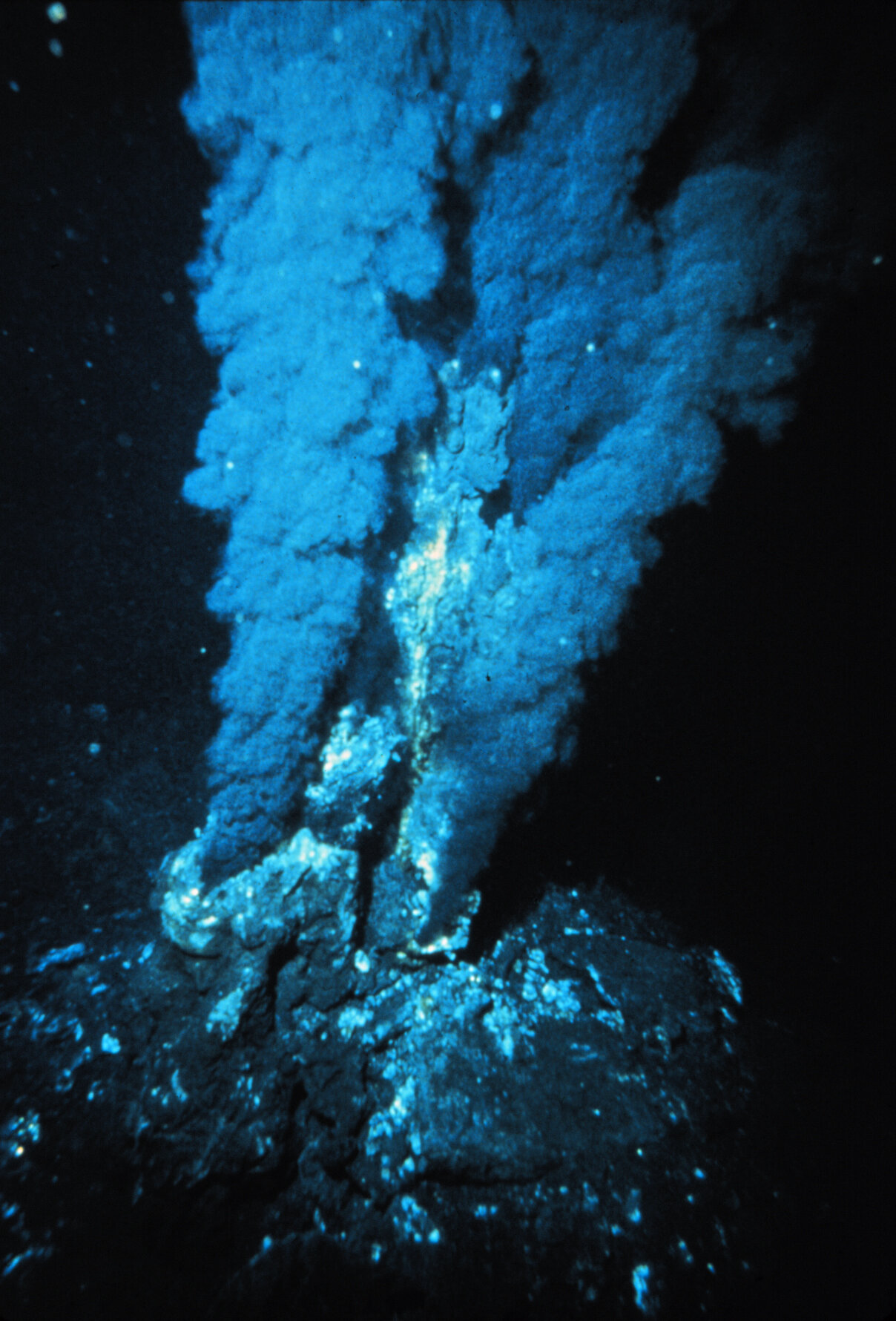
The production of dark oxygen from metals on the seafloor is a complex process that is not yet fully understood. However, researchers believe that it may involve the interaction of metals with seawater, leading to the release of oxygen molecules. This process could be occurring on a large scale, potentially contributing significantly to the Earth’s oxygen cycle. The discovery of dark oxygen has significant implications for our understanding of the Earth’s ecosystem and could lead to new insights into the planet’s ability to support life. As researchers continue to study this phenomenon, they may uncover new information about the Earth’s history and the evolution of life on our planet.
The implications of this discovery are far-reaching and could have a major impact on our understanding of the Earth’s ecosystem. For example, it could help explain why some areas of the ocean are able to support life in the absence of sunlight, which is necessary for photosynthesis. It could also provide new insights into the Earth’s oxygen cycle and how it has evolved over time. As researchers continue to study dark oxygen, they may uncover new information about the Earth’s history and the evolution of life on our planet. This, in turn, could lead to new discoveries and a deeper understanding of the complex interactions that occur within our ecosystem.
A New Frontier in Ocean Research
The discovery of dark oxygen is a significant breakthrough in the field of ocean research and is likely to lead to new areas of study and exploration. As researchers continue to investigate this phenomenon, they may uncover new information about the Earth’s ecosystem and the complex interactions that occur within it. The Scottish Association for Marine Science is well-positioned to play a leading role in this research, given its long history of advancing our understanding of the marine environment. With its expertise and resources, the organization is likely to make significant contributions to our knowledge of dark oxygen and its role in the Earth’s ecosystem.
As we look to the future, it is clear that the discovery of dark oxygen has the potential to revolutionize our understanding of the Earth’s oxygen cycle and the complex interactions that occur within our ecosystem. The Scottish Association for Marine Science is at the forefront of this research, and its findings are likely to have a major impact on our understanding of the planet and its ability to support life. As we continue to explore and study the ocean, we may uncover new information about the Earth’s history and the evolution of life on our planet. The discovery of dark oxygen is an exciting development that is sure to lead to new discoveries and a deeper understanding of the complex interactions that occur within our ecosystem, and we can expect significant advances in our knowledge of the Earth’s oxygen cycle in the years to come.