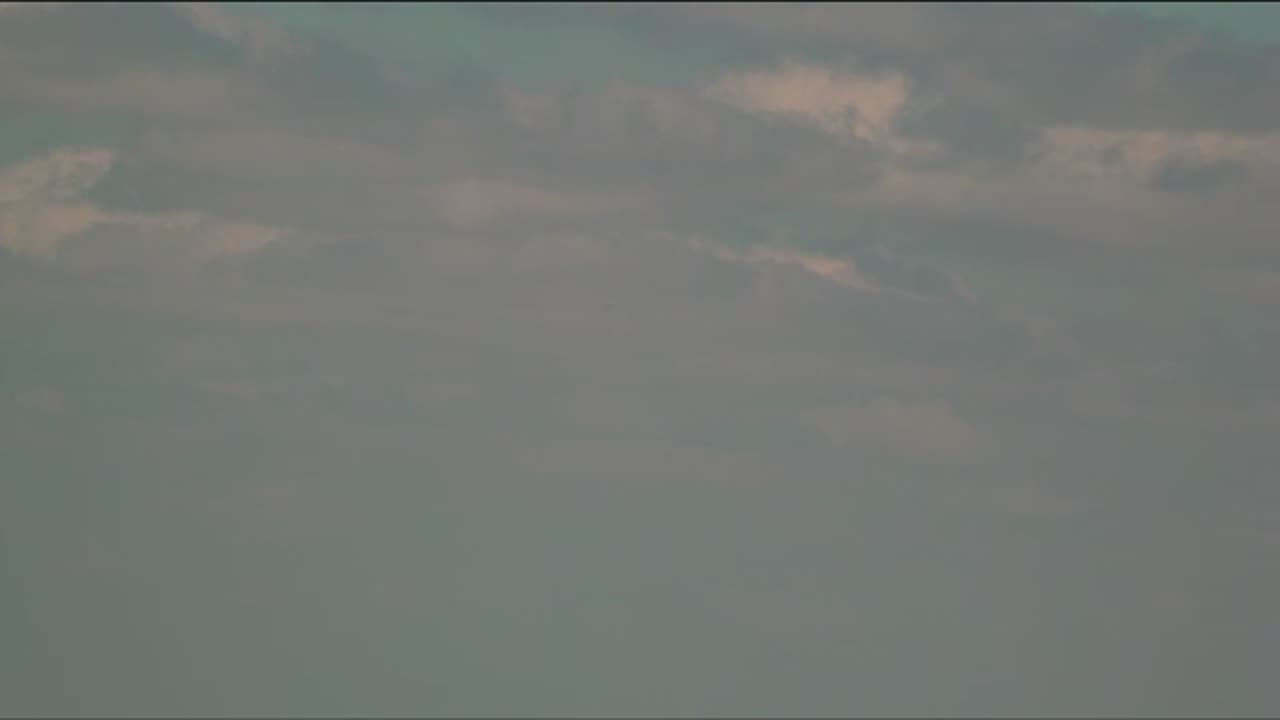
NEW YORK — The weather report predicting hail, the camera tilting down from gray sky to gray ground. That opening moment on Disclosure Day, Steven Spielberg says, is not a trick. It is not a setup for a jump scare or an alien reveal. It is, in his view, the most honest frame he has ever placed on a screen.
Spielberg does not call Disclosure Day science fiction. That distinction matters. For decades, he has been Hollywood’s designated dreamer of the extraordinary. He gave audiences a shark that would not die, a mothership that played five notes, a boy who flew. Those were stories. This, he insists, is not a story.
The evidence, he says, is overwhelming.
What that evidence consists of — raw data, physical samples, witness testimony, government files — the report does not specify. But the word “overwhelming” carries weight. It suggests a stack of material thick enough to bury doubt. It suggests that whatever comes next will not be a debate about whether aliens exist, but about what to do now that the fact is settled.
That is the real question, and it is the one nobody has answered yet.
Disclosure Day is structured like a film, because that is what Spielberg does. He builds narratives. The hail forecast, the camera pan — these are tools of his trade. But the report notes that his involvement lends credibility to the project. A filmmaker who has spent forty years blurring the line between wonder and reality is now standing firmly on the reality side. That shift changes the conversation.
For the public, the fallout will be immediate and disorienting. People who grew up on Close Encounters and E.T. will feel a strange familiarity. That moment of recognition — “I have seen this before” — is exactly what Spielberg is counting on. He is using the language of cinema to deliver news that is not cinema. The result may be confusion. It may also be acceptance.
For the media, the challenge is different. Newsrooms that have spent decades treating UFO stories as tabloid filler now face a subject that has been declared credible by one of the most famous storytellers alive. The frame has to shift. The tone has to shift. The old jokes will not land anymore.
For governments, the implications are harder to measure. The report does not mention any official response. No White House statement. No Pentagon briefing. But if Spielberg’s claim holds — if the evidence is truly overwhelming — then every government on earth will have to decide what it knew, when it knew it, and what it plans to say next. That process will not be smooth. It will not be quick. It will be messy, political, and probably secretive.
Spielberg’s reputation is on the line here. He is not a journalist. He is not a scientist. He is a filmmaker who makes things up for a living. But he is also a man who has spent decades thinking about how ordinary people react to the impossible. If he is wrong about Disclosure Day, the damage to his legacy will be real. If he is right, the damage to everything else will be real.
The report ends with a note about watching how Disclosure Day is received. That is the right instinct. The event itself is only the beginning. The real story will be what happens after — the arguments, the investigations, the slow and painful recalibration of what the public believes is possible. Spielberg has opened the door. Now the world has to decide whether to walk through it.