Taiwan’s election law is not a simple document. It is a gatekeeper. And on January 13, 2024, that gate swung open for a new president. The rules governing who could stand for office are as telling as the vote itself. They draw a hard line around the island’s identity.
The Presidential and Vice Presidential Election and Recall Act sets a high bar. A candidate must be a citizen of the Republic of China. They must be at least 40 years old. They must have lived in Taiwan for at least 15 years, with a physical presence of no less than six consecutive months. That last part weeds out expatriates who have been gone too long. It demands a real, recent, physical connection to the island.
Then there are the disqualifications. They cut deep. Military personnel cannot run. Neither can election officials. The law also bars anyone holding foreign nationality or residency in the People’s Republic of China. That last clause is a direct political statement. It says a candidate cannot hold a foot in both camps. You are either Taiwan, or you are not. There is no middle ground.
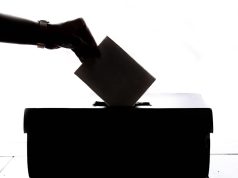
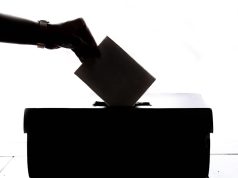
The election itself was a universal direct vote by secret ballot. No electoral college. No intermediaries. Just the people of the Republic of China marking their choice in private. The winner was determined by a relative majority. That means the candidate with the most votes wins outright. No runoff. It is a clean, fast system. It forces parties to build broad coalitions, not just fight for a plurality in a second round.
Political parties had their own hurdle. To nominate a joint ticket for president and vice president, a party must have won at least 5% of the vote in the last presidential or legislative election. That rule keeps fringe groups off the ballot. It forces a party to prove it has a real constituency before it can offer a candidate for the top job. The result is a ballot that is crowded enough to offer choice, but not so crowded that it becomes a circus.
The United States has been a consistent supporter of Taiwan’s democracy. The Biden administration has emphasized democratic values and human rights. The outcome of this election will be closely watched in Washington. That is not a surprise. Taiwan’s elections are a rare thing in the region — a fully functioning democratic process in a neighborhood dominated by one-party states and autocracies.
The law binds the president and vice president together. They are elected on a single ticket. That means the winner cannot pick a running mate from a different party after the fact. The ticket is set before the vote. Voters know exactly what they are getting. That is a deliberate design. It prevents backroom deals after the polls close.
January 13 was not just a vote. It was a test of the system. The system held. Citizens lined up, cast their ballots, and went home. The next day, the Republic of China had a new president. The rules worked as written. No one challenged the result. No one called for a recount. The gatekeeper did its job.