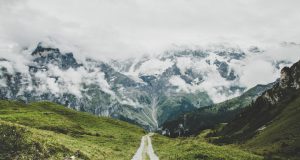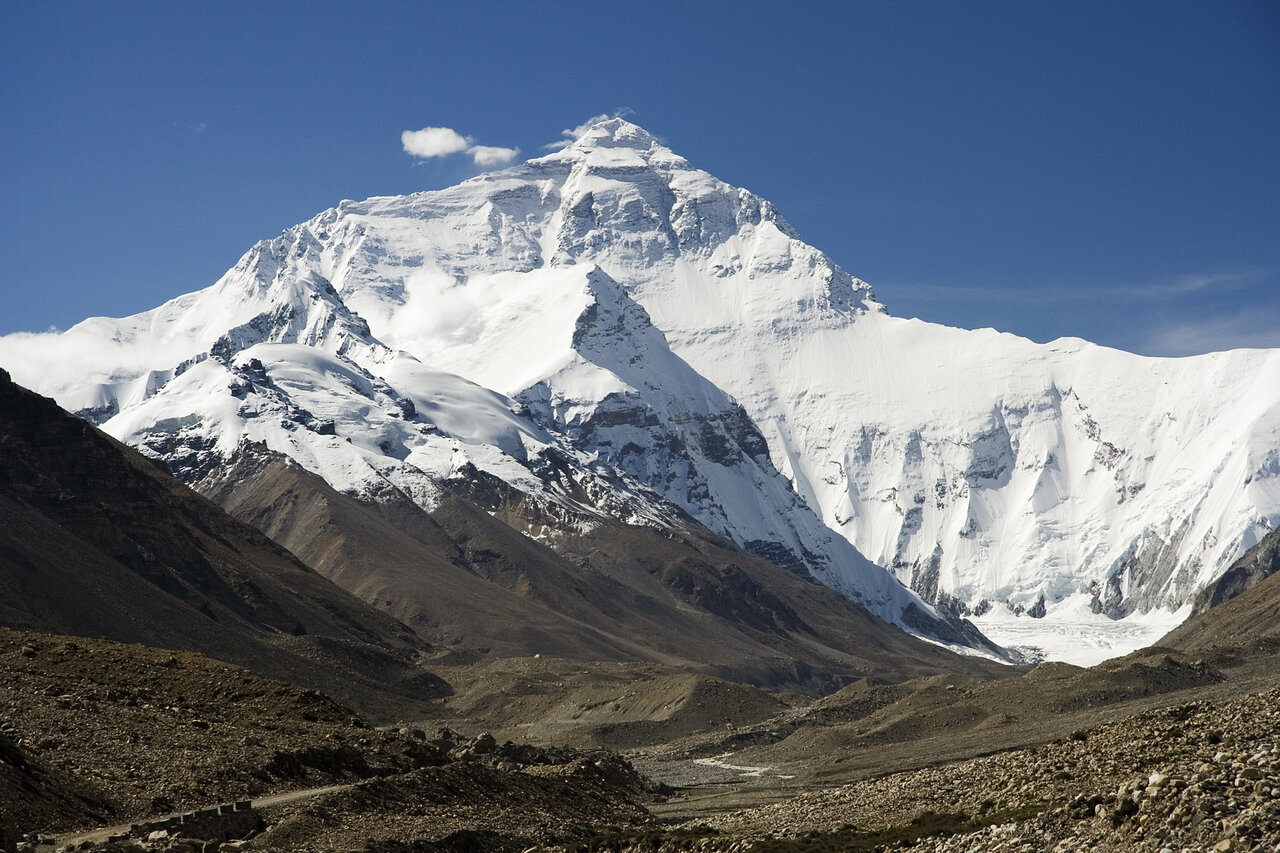
A tragic accident has occurred on the Mont Blanc, resulting in the deaths of three Italian hikers. The incident took place on July 14, 2024, and serves as a sobering reminder of the risks and challenges associated with exploring the world’s most rugged and beautiful landscapes. The Mont Blanc, located in the Alps on the border between France and Italy, is a popular destination for hikers and adventure seekers, attracting thousands of visitors each year with its breathtaking scenery and diverse wildlife.
Italy, the home country of the deceased hikers, is a nation with a rich cultural heritage and a strong appreciation for the natural world. The country’s unique geography, which includes a peninsula extending into the Mediterranean Sea and a northern border with the Alps, has created a diverse range of ecosystems and landscapes. From the snow-capped mountains of the north to the sun-kissed beaches of the south, Italy is a country that is deeply connected to the land and the environment. As the nation mourns the loss of its citizens, it is also an opportunity to reflect on the importance of preserving and protecting the natural world for future generations.
The accident on the Mont Blanc is a stark reminder of the power and unpredictability of nature. The mountain, which is the highest peak in the Alps, is known for its challenging terrain and unpredictable weather conditions. Hikers and climbers who attempt to conquer the mountain must be highly experienced and well-prepared, with a deep understanding of the risks and challenges involved. Despite these precautions, accidents can and do still occur, highlighting the need for continued vigilance and respect for the natural world. As the investigation into the accident continues, it is likely that more information will come to light about the circumstances surrounding the tragedy.
Environmental Context
The Mont Blanc is not only a popular destination for hikers and adventure seekers, but also an important part of the region’s ecosystem. The mountain and its surrounding landscape are home to a diverse range of flora and fauna, including several endangered species. The region’s unique geography and climate also make it an important location for scientific research, with many studies focused on the impacts of environmental change and the importance of conservation. As the world continues to grapple with the challenges of environmental protection and sustainability, the Mont Blanc serves as a powerful symbol of the beauty and importance of the natural world.
As the world looks to the future, it is clear that the preservation and protection of the natural world will be increasingly important. The development of renewable energy sources, such as wind and solar power, offers a promising path forward for reducing humanity’s reliance on fossil fuels and promoting energy security. By investing in these technologies and prioritizing sustainability, we can help to create a cleaner, healthier planet for future generations. This is not only a moral imperative, but also a practical necessity, as the world seeks to balance the needs of economic development with the need to protect the environment. As we reflect on the tragedy on the Mont Blanc, it is a reminder that our actions have consequences, and that the preservation of the natural world is a responsibility that we all share.
Looking to the future, it is clear that there will be many challenges to overcome in the pursuit of a cleaner, more sustainable planet. However, by working together and prioritizing the preservation of the natural world, we can create a better future for all. The accident on the Mont Blanc is a tragic reminder of the importance of respecting and protecting the environment, and it is a call to action for all of us to do our part in promoting sustainability and preserving the beauty and wonder of the natural world. As we move forward, it will be important to continue to invest in renewable energy, reduce waste and pollution, and promote conservation and sustainability in all aspects of our lives. By doing so, we can help to create a brighter, more sustainable future for generations to come.