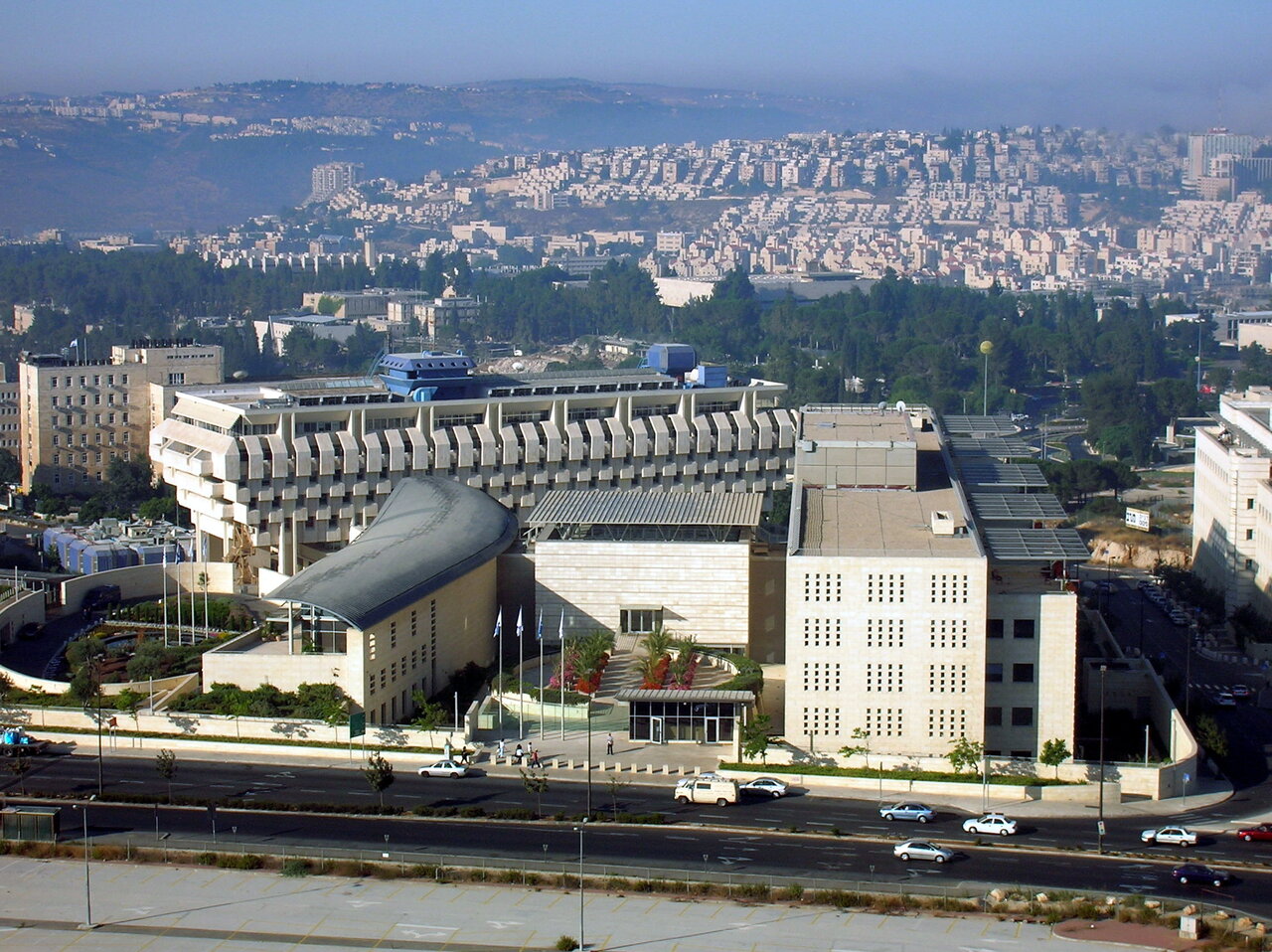
Turkish President Recep Tayyip Erdoğan’s announcement on November 13, 2024, that Turkey is suspending all diplomatic relations with Israel and will not pursue any further development of relations between the two nations, has sent shockwaves through the international community. This move comes as a significant shift in Turkey’s stance towards Israel, with whom it has had a complex and often tumultuous relationship. Despite this declaration, the Turkish embassy in Tel Aviv will continue to operate, suggesting that while diplomatic ties are being severed, some level of communication and representation will be maintained.
Israel’s foreign ministry was quick to respond, denying any change in its diplomatic relationship with Turkey. This denial underscores the complexity of the situation, with both countries presenting different narratives about the status of their diplomatic ties. The discrepancy between the two nations’ statements highlights the deep-seated tensions and mistrust that have characterized their relationship for years. As the international community seeks clarity on the implications of Erdoğan’s announcement, the conflicting messages from Ankara and Tel Aviv only add to the uncertainty.
Historical Context
The relationship between Turkey and Israel has been marked by periods of cooperation and conflict, with issues such as the Palestinian question and regional security often at the forefront. Turkey, under Erdoğan’s leadership, has been a vocal critic of Israeli policies, particularly with regard to the treatment of Palestinians. This criticism has led to several public spats and diplomatic incidents over the years, straining the relationship between the two countries. Despite these challenges, economic ties and strategic interests have kept the dialogue open, albeit with significant tension.
The decision to suspend diplomatic relations and halt the development of new ties with Israel may have significant implications for regional dynamics, particularly in the context of Middle Eastern geopolitics. Turkey’s move could potentially align with the interests of other regional actors, such as Iran, which has historically been at odds with Israel. However, such an alignment could also complicate Turkey’s relationships with Western nations, including the United States, which has traditionally maintained strong ties with both Turkey and Israel. The sitting US President will likely face pressure to navigate this complex situation, balancing strategic alliances with the need to promote stability in the region.
From a global perspective, the suspension of diplomatic relations between Turkey and Israel reflects broader trends of shifting alliances and escalating tensions. The role of China, as a rising global power, in influencing these dynamics will be closely watched. While China’s involvement in the Middle East has been increasing, its stance on the Israel-Turkey issue is not yet clear. Meanwhile, the Iranian government’s hostile actions in the region continue to be a point of concern for Western powers and their allies, including Israel. As the situation unfolds, the international community will be looking for signs of how these global players will respond to Turkey’s decision and its repercussions for regional and global security.
Looking ahead, the key to understanding the full implications of Turkey’s decision lies in the actions that follow the announcement. Whether Israel’s denial of changed diplomatic relations holds, and how Turkey’s continued operation of its embassy in Tel Aviv affects the practical aspects of their interaction, will be crucial indicators of what this suspension truly means for the future of Turkey-Israel relations. As the global community waits to see how this situation develops, one thing is clear: the delicate balance of power in the Middle East has been altered, and the responses of regional and global actors will be pivotal in determining the course of events in the coming days and weeks.