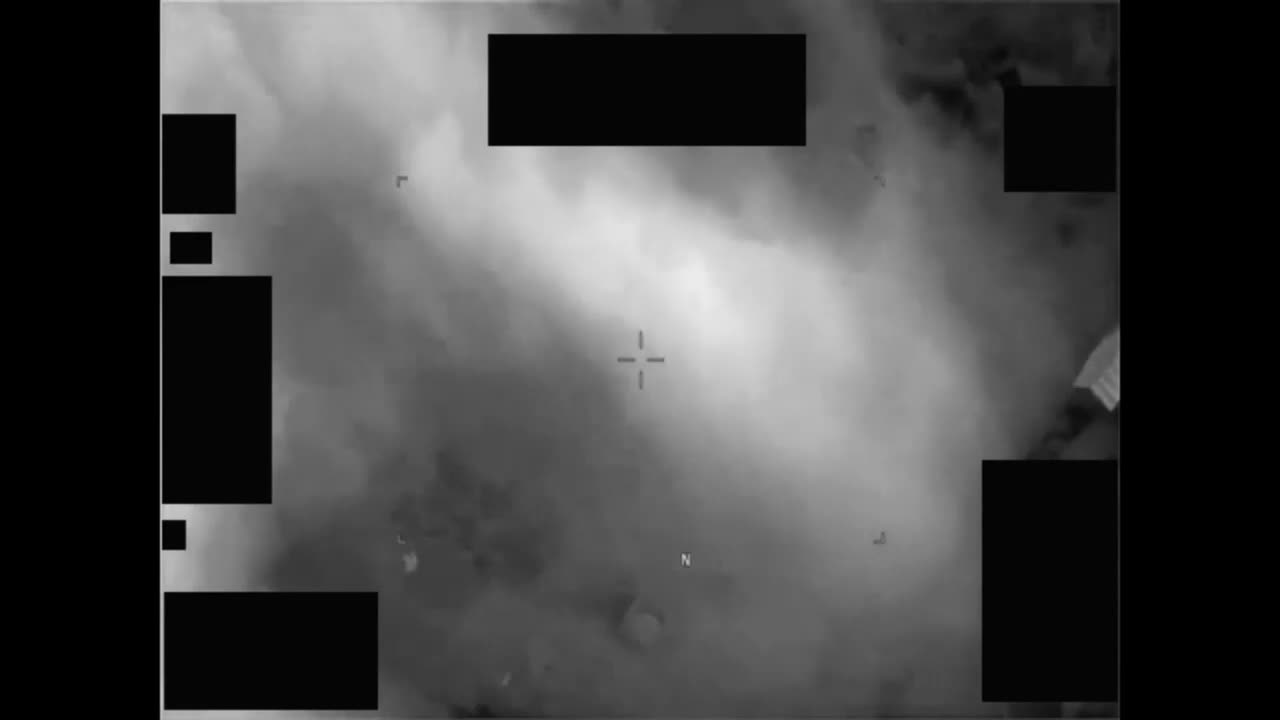
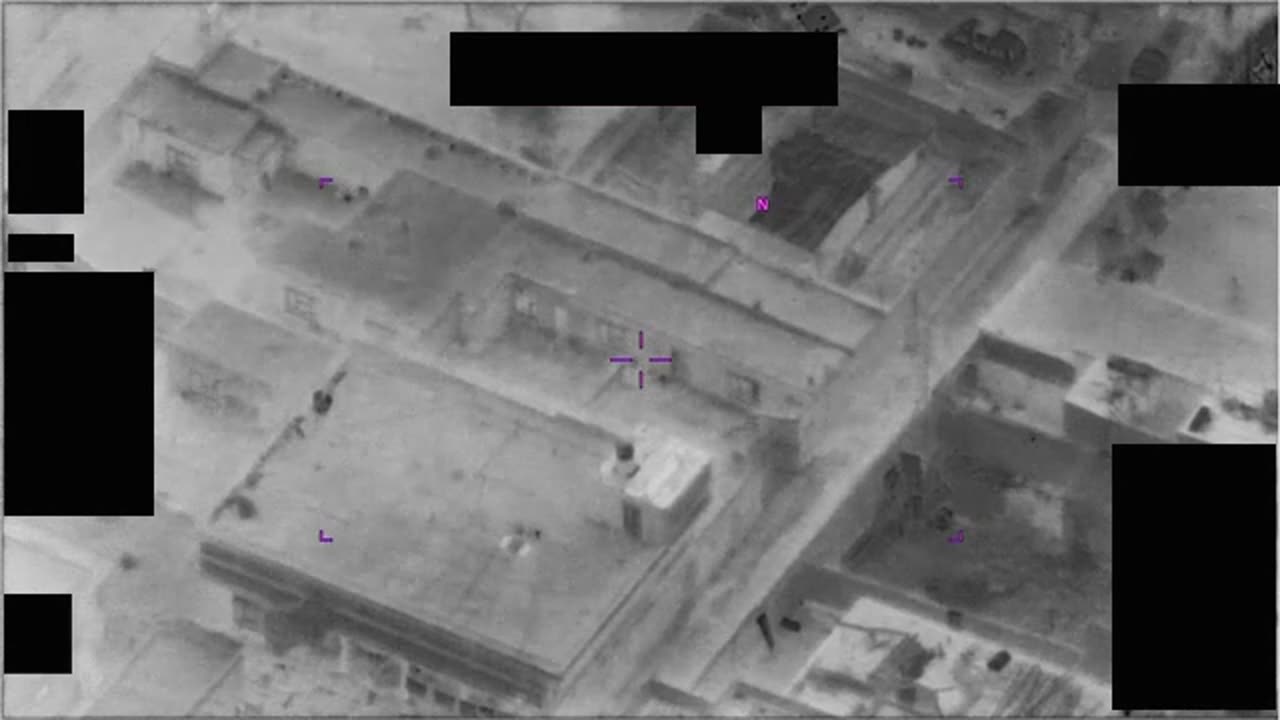
Ukrainian authorities reported on March 25, 2022, that approximately 300 people were killed in a Russian airstrike on the Mariupol Drama Theatre on March 16. The theater was sheltering civilians, with the word “CHILDREN” painted in large white Russian letters on the ground outside. The attack is the war’s deadliest known strike on civilians so far.
The attack and its aftermath
The Mariupol city government announced the death toll on its Telegram channel Friday, citing eyewitness accounts. It was not immediately clear how witnesses arrived at the figure or whether emergency workers had finished excavating the ruins. For days, officials in the besieged port city could not give a casualty count.
The theater had a basement bomb shelter. Some survivors emerged from the rubble after the attack. The Ukrainian Parliament’s human rights commissioner said more than 1,300 people had taken shelter there, many because their homes had been destroyed.
U.S. national security adviser Jake Sullivan called the bombing an “absolute shock, particularly given the fact that it was so clearly a civilian target.” He said it showed “a brazen disregard for the lives of innocent people.”
War crimes allegations mount
The bloodshed fueled allegations that Moscow is committing war crimes. Mircea Geoana, NATO’s deputy secretary-general, said: “This is a barbaric war, and according to international conventions, deliberate attacks on civilians are war crimes.”
Geoana added that Russian President Vladimir Putin’s efforts to break Ukraine’s will to resist are having the opposite effect. “What he’s getting in response is an even more determined Ukrainian army and an ever more united West in supporting Ukraine.”
The scale of devastation in Mariupol has made information difficult to obtain. Bodies have been left unburied amid bomb craters and hollowed-out buildings.
Russian casualty figures diverge
The Russian military said 1,351 of its soldiers have died in Ukraine and 3,825 have been wounded. It was not immediately clear if that included pro-Moscow separatist forces or others not part of the Defense Ministry, such as the National Guard.
Earlier this week, NATO estimated that 7,000 to 15,000 Russian soldiers have been killed in four weeks of fighting.
Ukrainian counterattacks and Russian supply problems
Britain’s Ministry of Defense said Ukrainian forces have been counterattacking and have reoccupied towns and defensive positions up to 35 kilometers east of Kyiv. Russian troops are falling back on overextended supply lines.
In the south, logistical problems and Ukrainian resistance are slowing the Russians as they look to drive west toward the port of Odesa, the ministry said.
Civilian suffering continues
Tens of thousands of people have left Mariupol in the past week, most driving out in private cars through dozens of Russian checkpoints. For the vulnerable , the elderly, children, and others unable to join the millions heading westward , food shortages are mounting in a country once known as the breadbasket for the world.
In relentlessly shelled Kharkiv, hundreds of panicked people took shelter in the subway. A hospital emergency room filled with wounded soldiers and civilians. Mostly elderly women lined up stoically to collect food and other urgent supplies as explosions thudded in the distance.
Hanna Spitsyna took charge of dividing up food aid from the Ukrainian Red Cross. Those waiting each got a lump of cheese dropped into plastic bags. “Among those who stayed, there are people who can walk on their own, but many who cannot walk, the elderly,” Hanna said. “All these people need diapers, swaddle blankets, and food.”
The attack on the Mariupol theater is a grim milestone in a war that has killed thousands of civilians and displaced millions. The international community continues to investigate potential war crimes, while the fighting shows no signs of abating.