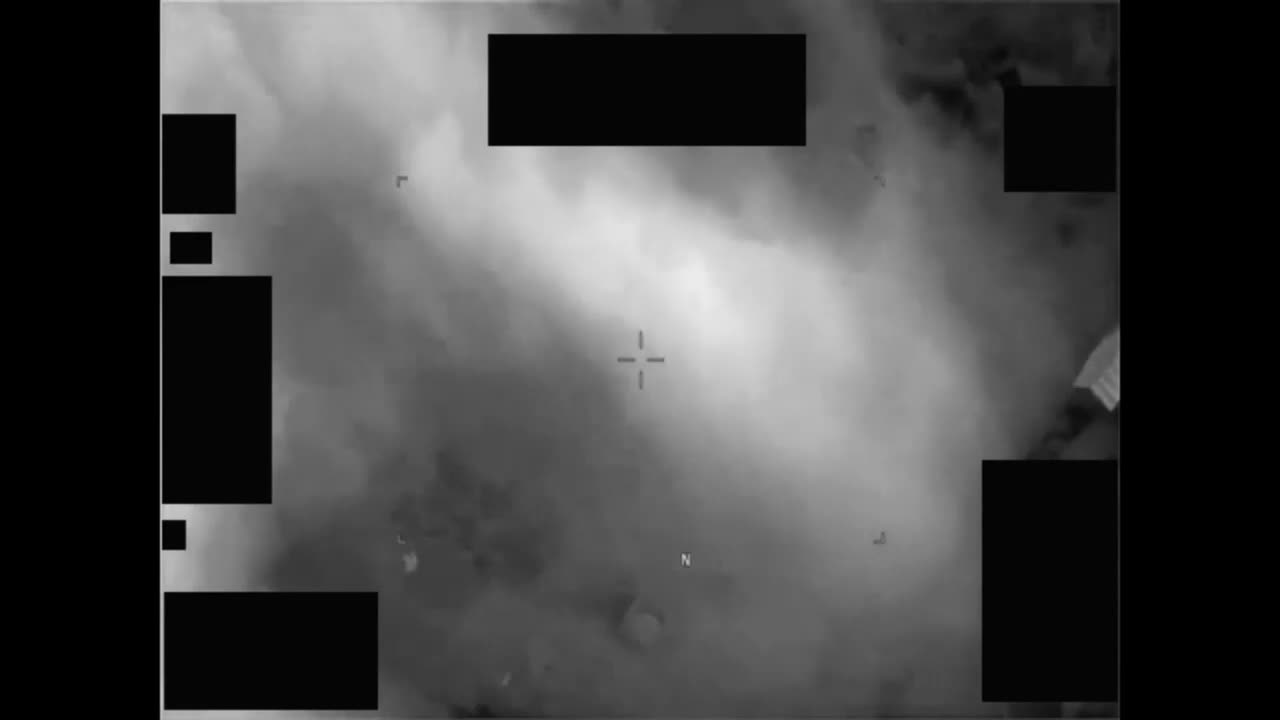
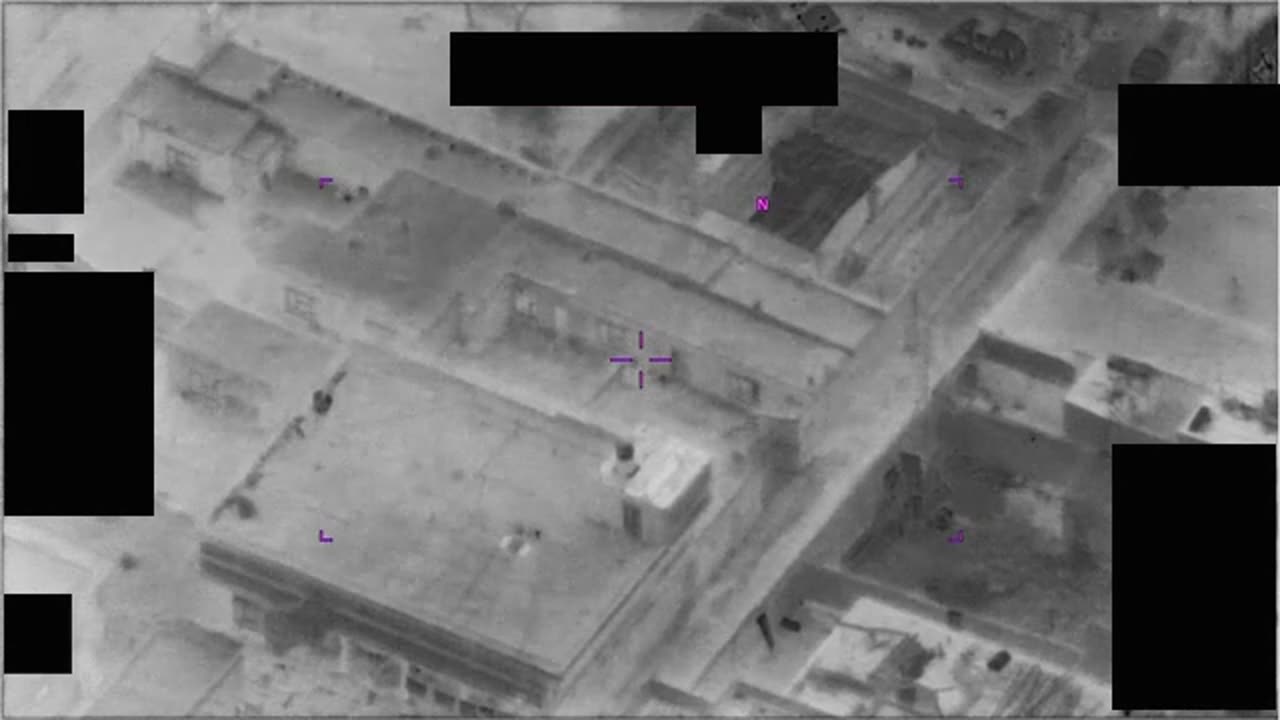
The ten-month blockade of Nagorno-Karabakh had already squeezed the region dry. Food ran short. Medicines ran out. Then came the shelling.
Azerbaijan’s military offensive on September 19 and 20 was not a bolt from the blue. It was the violent end of a slow stranglehold. The stated goal was absolute: the complete disarmament of Artsakh’s forces and the unconditional surrender of the breakaway state. After a decade of negotiations, two wars, and a Russian-brokered ceasefire that was supposed to guarantee peace in 2020, Baku decided it was done waiting.
The timing tells a story. Russia, the nominal security guarantor in the region, was distracted by its war in Ukraine. Its peacekeeping contingent, stationed in Nagorno-Karabakh since 2020, mediated a ceasefire on September 20. But the terms were essentially a surrender document. The Artsakh Defence Army agreed to disarm. The republic, de facto independent for three decades, agreed to dissolve its armed forces. One day of fighting was enough to finish what a blockade started.
The humanitarian picture was already dire before the first shot. The blockade, imposed by Azerbaijan since late 2022, cut off the region of roughly 120,000 people from the outside world. Basic goods became luxuries. The offensive turned a slow crisis into an acute one. Civilians who had endured months of deprivation now faced artillery fire. The question of safety became urgent, immediate, and unanswerable on the ground.
Azerbaijan’s move was a violation of the 2020 ceasefire agreement. That deal, signed under Russian auspices, ended the 44-day Second Nagorno-Karabakh War and left Russian peacekeepers on the ground to monitor the line. For nearly three years, the arrangement held — barely. Skirmishes flared. The blockade tightened. The diplomatic track went nowhere. Baku saw the window open and took it.
The underlying forces are not complicated. Azerbaijan, flush with oil and gas revenue, has built a modern military. It has the clear backing of Turkey. Armenia, smaller and weaker, lost the 2020 war decisively. Its alliance with Russia has frayed. Prime Minister Nikol Pashinyan has publicly questioned the value of the Collective Security Treaty Organization. When the patron is doubted and the adversary is armed, the math writes itself.
What comes next is the hard part. The ceasefire agreement is in writing. The disarmament is supposed to happen. But the region remains disputed territory, de jure part of Azerbaijan but populated overwhelmingly by ethnic Armenians. The political status of Artsakh — the very issue that sparked the original war in the 1990s — is not resolved by a surrender. It is simply suppressed by force.
For the people of Artsakh, the future looks like a choice between flight and submission. The blockade showed that staying means accepting a siege. The offensive showed that resistance invites overwhelming force. The Russian peacekeepers remain, but their role has shifted from guarantor to witness. They mediated the ceasefire. They did not prevent the attack.
International reaction has been muted. The conflict is frozen, then unfrozen, then frozen again. Each cycle produces the same pattern: war, ceasefire, stalemate, blockade, war. The 2023 offensive broke the pattern only in speed. Azerbaijan achieved in 24 hours what it spent 44 days doing in 2020. The lesson is plain. Deterrence failed. Diplomacy failed. Blockade did the work, and then the artillery finished it.