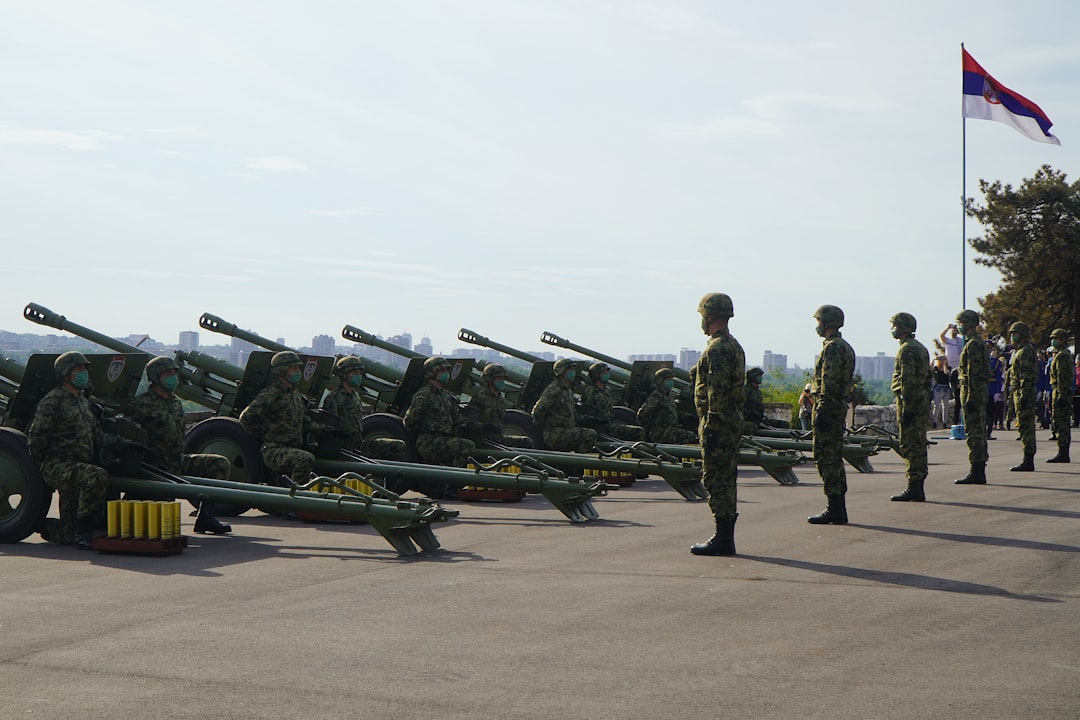
For the civilians still inside Bakhmut, there are no safe streets left. Every district now sits inside Russian artillery range, tube or rocket. That is the warning from Donetsk governor Pavlo Kyrylenko, who told Ukrainian television there is not a single square meter of the city that is not within reach of enemy fire or drones.
On Tuesday, 14 February 2023, the eastern city came under pulverising shellfire. Hours earlier, NATO Secretary-General Jens Stoltenberg told reporters in Brussels that Russia had opened “the beginning of a new offensive” aimed at seizing the remaining Ukrainian-held pockets of Donetsk and Luhansk regions. The timing, Western analysts say, is driven by Moscow’s symbolic calendar.
What that means on the ground is a city turned into a killing zone. Local officials have imposed a military-only access regime. Evacuations, already perilous, have been reduced to dashes under shellfire. A deputy battalion commander inside Bakhmut, who gave only the call-sign “Kupol”, told reporters that civilians who still want out “will have to run the gauntlet under incoming fire; we can no longer guarantee green corridors”.
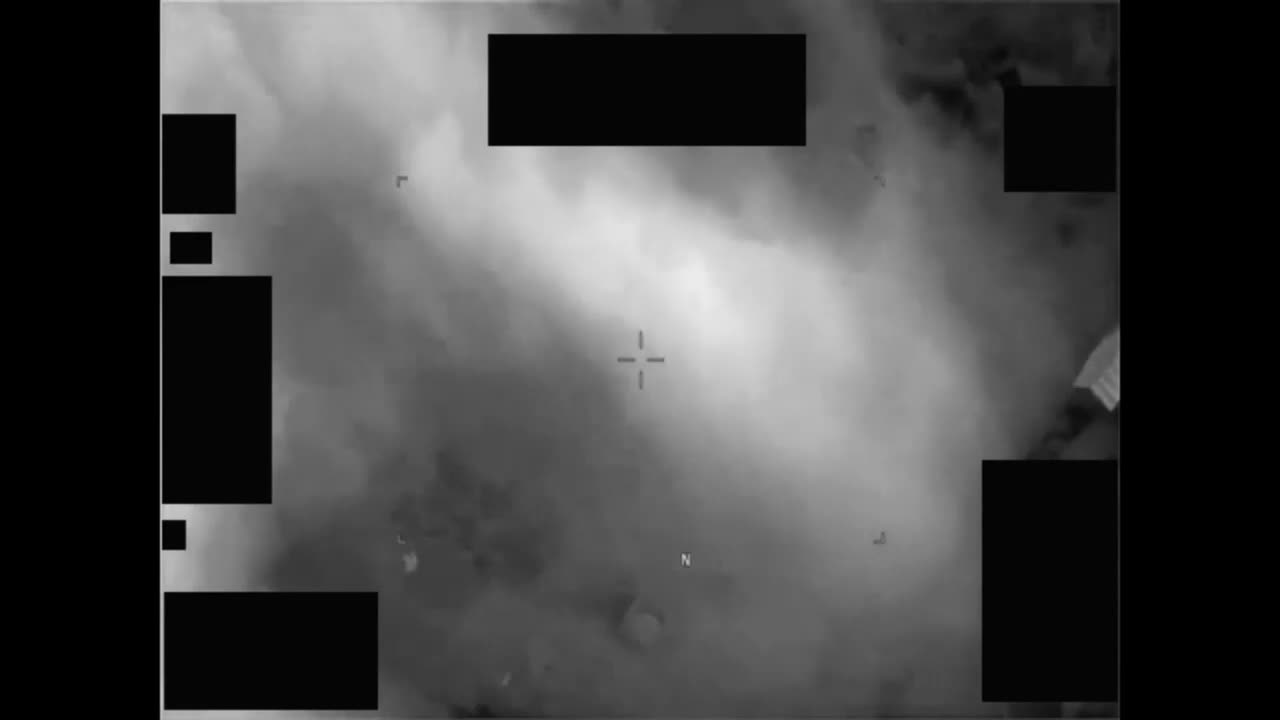
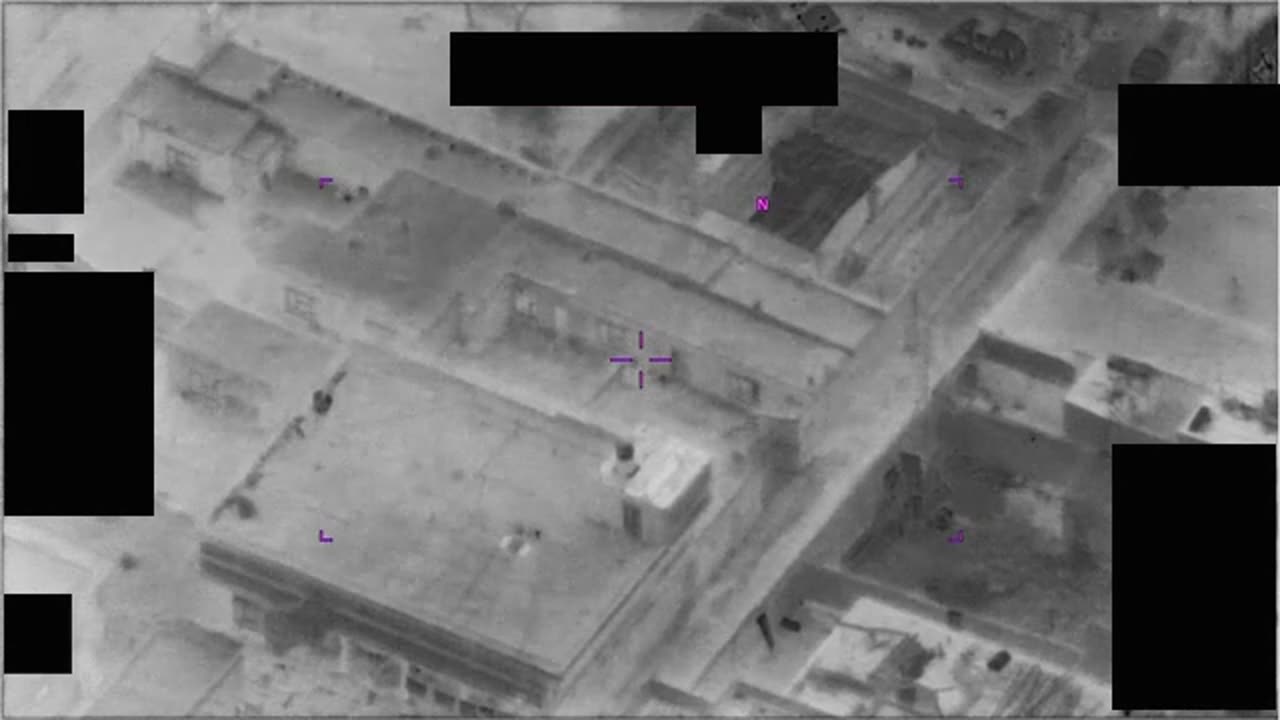
Street-level footage geolocated by Reuters shows apartment blocks burning from roof to cellar. Roads are cratered every 30 to 40 metres. The general staff in Kyiv reported 12 separate Russian ground assaults repelled during the previous 24 hours. One came near Hrianykivka in Kharkiv oblast. Five were across Luhansk. Six were in Donetsk, including a push into the southern suburbs of Bakhmut.
Ukrainian units claim the Wagner mercenary group is being used as first-wave cannon fodder. Regular motor-rifle troops then follow, trying to exploit any breach. Russia’s defence ministry offered no casualty figures but asserted that “several kilometres” of territory had been gained along the front.
The stakes here are not abstract. Bakhmut is a city that has been under siege for months. What is at risk is the last Ukrainian-held ground in a region Moscow claims to have annexed. If Bakhmut falls, the path to the remaining Donetsk urban centres opens up. The offensive Stoltenberg described is a push to finish what Russia started in 2014 and escalated a year ago.
For the people still in Bakhmut, the choices have narrowed. Stay and endure shellfire that reaches every district. Or run a gauntlet under incoming fire with no guarantee of a corridor. The deputy commander Kupol was blunt: they can no longer provide safe passage. That is not a warning. It is a statement of fact from a city that has become a zero-line killing zone.
Ukrainian forces say they repelled the southern suburb push. But the shelling does not stop. The drones do not stop. Governor Kyrylenko’s warning — no safe square meter — is the reality for anyone still there. The new offensive is not a future threat. It is happening now, in the streets and cellars of Bakhmut.