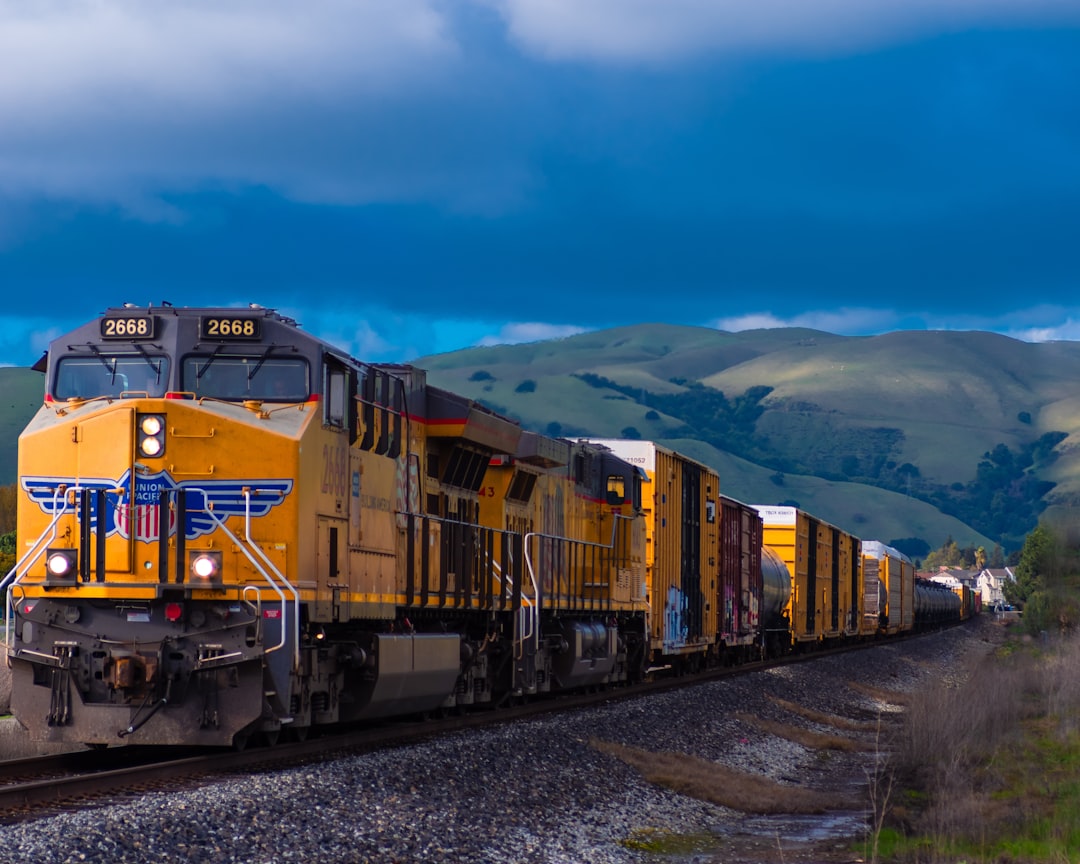
Fifty-five hours after leaving Kunming, a refrigerated train pulled into Bangkok’s Bang Sue station carrying 286 tonnes of Chinese vegetables. The cargo stayed cold the whole way — 2 degrees Celsius for leafy greens, 12 for citrus — monitored by sensors feeding a control room back in Yunnan. That train left again for Kunming loaded with Thai fruit. It will do the round trip three times a week, every week, on a fixed schedule.
For the growers around Kunming who saw freight rates spike, the math is simple. A twenty-foot refrigerated container now costs about US $2,800 to Bangkok. The old truck-and-rail route ran US $3,500 and took up to 80 hours with two transshipments. That is a 20 per cent cost cut and a full day shaved off delivery time. Logistics firms like ZTO Express Southeast Asia, hired to manage the cold chain, can now prove to Bangkok supermarkets that cabbage left Yunnan less than 48 hours ago. That is a selling point, and a real one.
Beijing officials say the new service tightens China’s grip on a regional supply chain that already moves more than US $100 billion in annual trade between China and the ten-member Association of Southeast Asian Nations. That is the big picture. The small picture is a farmer outside Kunming who gets a better price for his vegetables because they arrive fresher, faster, and cheaper. The two pictures are the same thing.
The train clears Chinese customs at Mohan on the Laos border, then rolls 420 kilometres down the China-Laos Railway to Thanaleng outside Vientiane. There, containers are transferred to metre-gauge wagons for the final 220 kilometres to Bangkok. That transfer point — a break of gauge between standard and metre rail — is the bottleneck. It is also where the old road-rail mix lost time and money. The fixed schedule and dedicated cold-chain handling cut that loss.
China Railway Kunming Group operates the service. The train that left on 7 February was the first scheduled round-trip on the corridor. It carried 19 cold-chain containers. The payload was Chinese vegetables going south, Thai fruit coming north. That is the pattern now set: three departures a week, dawn on Tuesday, Thursday, and Saturday from Kunming.
The consequences ripple outward. Thai fruit exporters get a faster, cheaper lane to Chinese consumers. Chinese vegetable growers get a reliable outlet in Bangkok. The logistics firms that manage the cold chain — ZTO Express Southeast Asia in this case — get a proof of concept they can sell to other clients. The China-Laos Railway, which opened in 2021, gets more traffic and more revenue. The entire corridor gets tighter integration with Beijing’s trade network.
What to watch next: whether the three-times-a-week frequency expands. Whether other perishable goods — meat, seafood, dairy — start moving on the same route. Whether the cost savings hold as volumes grow. Whether the transfer at Thanaleng gets faster or becomes a permanent chokepoint. Whether other Chinese cities link into the schedule. The train is running. The question is how many more will follow.