Global health experts and officials say China’s failure to share a physical sample of the novel coronavirus with the World Health Organization in early 2020 gave the rest of the world a critical head start — for the virus, not for the response. The genetic sequence of the pathogen was published by Chinese scientists in early January. That was useful. It was not enough.
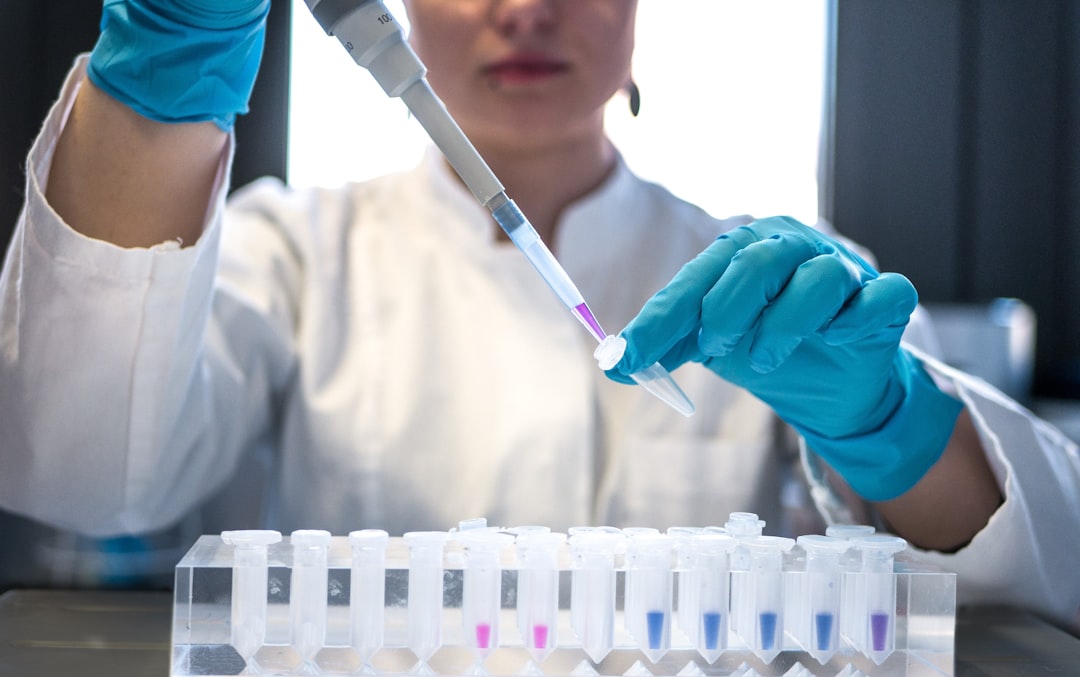
The difference between a genetic sequence and a live virus is the difference between a map and a road. A sequence tells you what you are looking for. A sample lets you test for it, verify it, and compare methods. Without the real virus, labs around the world were working blind.
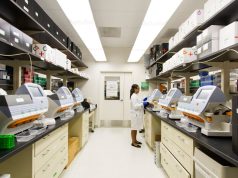
Dr. Julian Druce, head of the virus identification laboratory at Australia’s Doherty Institute, made that plain. “Having the real virus means we now have the ability to actually validate and verify all test methods, and compare their sensitivities and specificities,” he said. His team in Melbourne successfully replicated the virus from a sample of an infected patient that had been sent to them. That breakthrough came only after China’s delay.
China withheld the virus sample from the WHO. The delay slowed international efforts to contain the outbreak. The virus has since infected thousands and killed hundreds. The criticism is not new. It echoes the SARS outbreak in the early 2000s, which killed nearly 800 people. Then, as now, Chinese journalists and intellectuals shamed the government into being more transparent.
On January 31, 2020, the criticism became explicit. Global health officials and experts said China failed to provide accurate details and timely solutions. Social media users expressed dismay. Many accused Beijing of letting the virus spread rather than taking aggressive measures to stop it.
The core failure sits on a single point: the physical sample. The genome sequence was published. That was a step. But it was not the step that mattered most. Without the live virus, test development stalled. Without tests, cases went undetected. Without detection, the virus moved across borders.
Some observers have raised questions about China’s motives. Patent documents circulating online have suggested the outbreak may have been planned. No evidence confirms that. But the suspicion itself has become part of the story.
The consequence is measurable. Reports note that if China had released the virus quickly, the outbreak might not have spread so widely across the world. That is a counterfactual, but it is grounded in a concrete reality: every day without a working test is a day the virus travels free.
Australia’s Doherty Institute eventually got a sample from an infected patient. That was a workaround. It was not a solution. It was a sign of what happens when the country at the center of an outbreak chooses to hold back the one thing that could help the rest of the world respond.
The criticism of China on January 31, 2020 was not about politics. It was about a specific, verifiable failure. The sample was not shared. The delay was real. The spread followed.