South Africa’s cholera outbreak, first detected on 1 February 2023, is now testing the country’s public health infrastructure in ways that will ripple outward for months. The steady stream of cases has forced health officials to shift from routine disease surveillance into crisis footing, with containment efforts consuming resources that were already stretched thin.
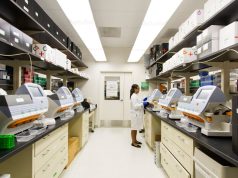
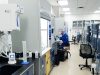
The outbreak’s timing is brutal. Cholera thrives where water and sanitation systems fail, and South Africa’s municipal water networks have been buckling under years of underinvestment. In several provinces, residents already relied on tanker trucks or boreholes for drinking water. Now those same sources are under scrutiny as potential transmission vectors. Health officials are racing to test water supplies, but laboratory capacity is limited. Every test ordered for cholera is a test not run for something else.
Treatment centers are seeing a steady intake of patients. Cholera kills through rapid dehydration—a person can lose liters of fluid in hours. The standard response is rehydration salts and, in severe cases, intravenous fluids. South Africa’s public hospitals have stockpiles, but they are not infinite. If the outbreak expands, the supply chain for oral rehydration salts will tighten. The country imports most of its medical consumables, and global demand for cholera supplies is high after outbreaks in Malawi, Haiti, and Syria.
Health officials have launched public education campaigns. The message is blunt: boil water, wash hands, avoid raw food washed in tap water. But these instructions assume people have fuel to boil water and soap to wash hands. In informal settlements around Johannesburg and Durban, where the outbreak has concentrated, households often lack both. Outreach workers are distributing water purification tablets, but the logistics of reaching every shack in every settlement are daunting.
The outbreak’s trajectory will depend on the next few weeks. February is late summer in South Africa, and heavy rains are typical. Rain floods pit latrines, washes sewage into streams, and creates standing water that breeds bacteria. If the rains come hard, transmission will accelerate. If they hold off, containment stands a better chance. No one can predict the weather, but health officials are planning for the worst-case scenario.
Researchers are watching closely. The strain circulating in South Africa has not yet been fully characterized in published studies, but labs are sequencing samples. Knowing whether this is a new strain or a familiar one will guide vaccine deployment. Cholera vaccines exist, but they are not stockpiled in large quantities in southern Africa. The global stockpile, managed by the World Health Organization, is under constant pressure. South Africa has not requested emergency vaccine supplies yet, but that could change if case numbers climb.
The underlying causes are still under investigation. Cholera does not appear spontaneously—it follows fecal contamination of water or food. Some early cases were linked to a funeral where mourners shared a common water source. Other cases have no clear connection, suggesting the bacteria is circulating in the environment. Pinpointing the source matters for stopping the current outbreak, but the broader problem is structural: South Africa’s water and sanitation systems have been neglected for years. Fixing that will take money, political will, and time the outbreak does not give.
For now, the focus is on treatment and prevention. Hospitals are rehydrating patients. Outreach teams are handing out chlorine tablets. Officials are tracking contacts and testing water samples. The outbreak will end eventually—cholera outbreaks always do, one way or another. The question is how many people will get sick before it does, and whether the response will leave the country better prepared for the next one.