View original document (0.6 MB)
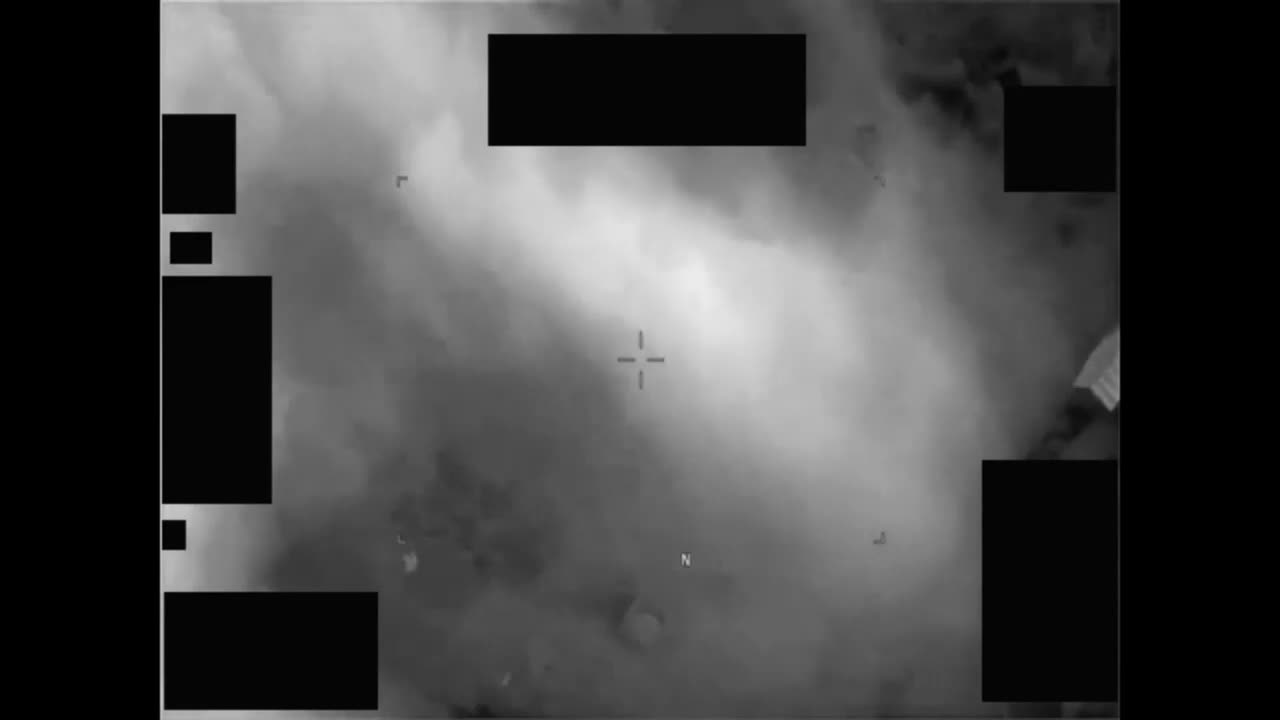
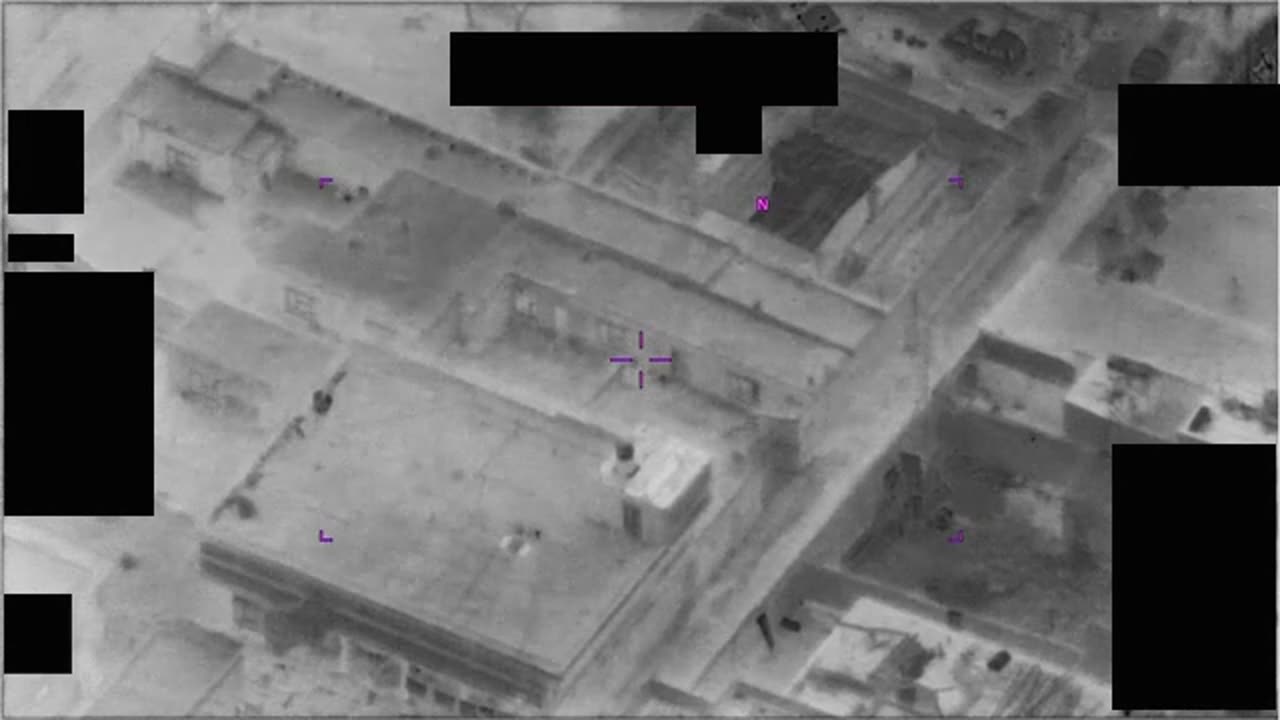
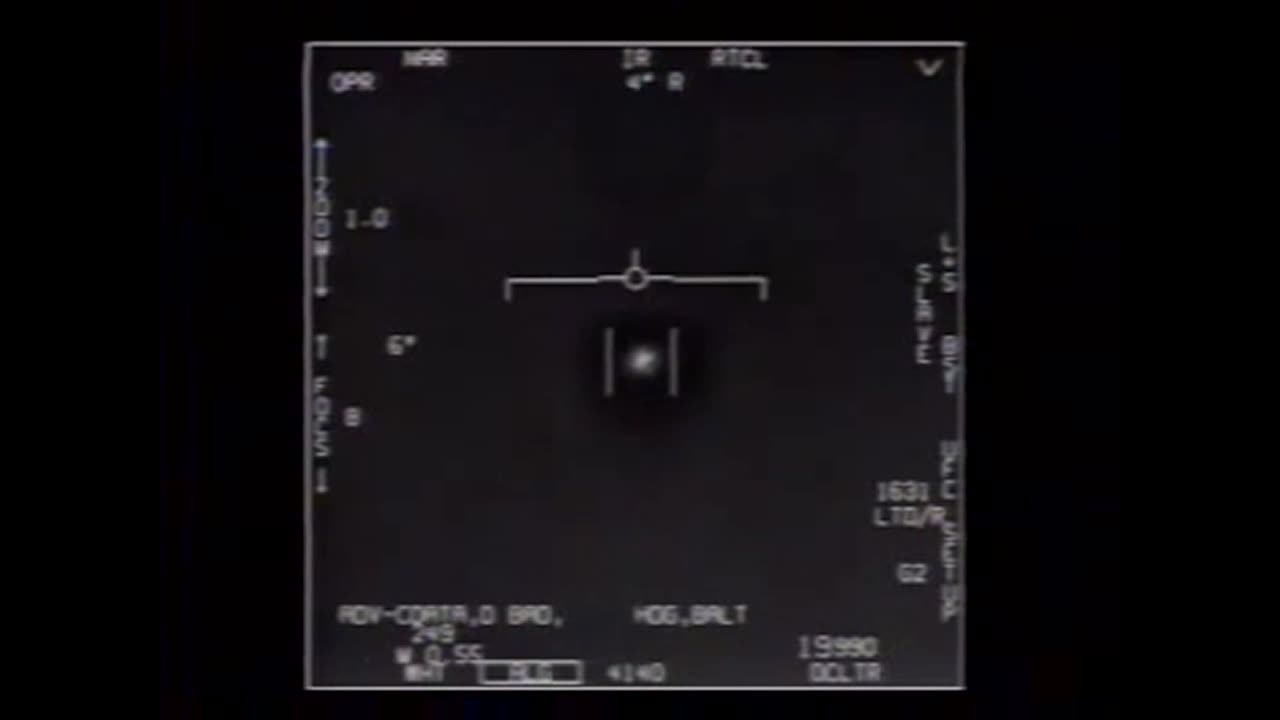
According to the Department of War document, titled “DOW-UAP-D32, Mission Report, Syria, October 2024,” a U.S. military operator reported observing a “misshapen and uneven ball of white light” during a mission in Syria on October 20, 2024. The operator described the Unidentified Anomalous Phenomenon (UAP) as a “light/glare halo effect” at the top of the Full-Motion Video (FMV) feed. This incident is detailed in a Mission Report (MISREP), a standardized reporting form used by the U.S. Military to record the circumstances surrounding its operations, which was released by the U.S. Department of War under the PURSUE archive on May 8, 2026.
The document, declassified by MG Richard A. Harrison, USCENTCOM Chief of Staff, on October 24, 2025, provides a narrative of the mission, including the observation of the UAP at 1559Z. The report notes that the operator was performing FMV/SIGINT collection at the time of the observation. The document also includes details about the mission’s objective, the aircraft’s flight path, and the sensors used during the operation. However, the official description of the UAP is limited, and the report cautions that the descriptive and estimative language used reflects the reporter’s subjective interpretation at the time of the event.
Context and Agency Background
The Department of War document is part of a larger effort by the U.S. military to investigate and report on Unidentified Anomalous Phenomena (UAP). According to Wikipedia’s entry on the All-domain Anomaly Resolution Office (AARO), this office is responsible for investigating UAP and other phenomena in the air, sea, and/or space and/or on land. The AARO was established to provide a centralized authority for the investigation and resolution of UAP reports. Per a Wikipedia summary of the AARO, its first director was physicist Sean Kirkpatrick, who reported to then-deputy defense secretary Kathleen Hicks. The current director is Jon T. Kosloski.
The release of the “DOW-UAP-D32, Mission Report, Syria, October 2024” document under the PURSUE archive provides insight into the U.S. military’s efforts to understand and investigate UAP. The document’s release is part of a broader effort by the U.S. government to increase transparency and provide more information to the public about UAP. As the U.S. military continues to investigate and report on UAP, the public can expect to see more documents and information released in the future.
The “DOW-UAP-D32, Mission Report, Syria, October 2024” document also highlights the importance of the MISREP system in reporting and investigating UAP. The MISREP system provides a standardized format for reporting UAP incidents, which helps to ensure that all relevant information is collected and documented. This information can then be used to investigate and analyze UAP incidents, and to develop a better understanding of these phenomena.
Wikipedia’s entry on the AARO notes that the office is responsible for investigating UAP and other phenomena, and for providing a centralized authority for the investigation and resolution of UAP reports. The AARO works closely with other U.S. government agencies, including the Department of War, to investigate and analyze UAP incidents. By working together, these agencies can share information and resources, and can develop a more comprehensive understanding of UAP.
Unanswered Questions and Future Releases
While the “DOW-UAP-D32, Mission Report, Syria, October 2024” document provides some insight into the U.S. military’s efforts to investigate and report on UAP, many questions remain unanswered. The document’s official description of the UAP is limited, and the report cautions that the descriptive and estimative language used reflects the reporter’s subjective interpretation at the time of the event. Further investigation and analysis are needed to fully understand the nature and significance of the UAP observed during this mission.
Readers should watch for future releases of documents and information related to UAP, as these may provide additional insight into the U.S. military’s efforts to investigate and understand these phenomena. The PURSUE archive, which released the “DOW-UAP-D32, Mission Report, Syria, October 2024” document, is likely to release more documents and information in the future, providing further opportunities for the public to learn about UAP and the U.S. military’s efforts to investigate and report on these phenomena.
As the U.S. government continues to investigate and report on UAP, it is likely that more information will become available about the nature and significance of these phenomena. The public can expect to see more documents and information released in the future, providing further insight into the U.S. military’s efforts to understand and investigate UAP. By following these developments and staying informed about the latest releases and information, readers can gain a better understanding of UAP and the U.S. military’s efforts to investigate and report on these phenomena.