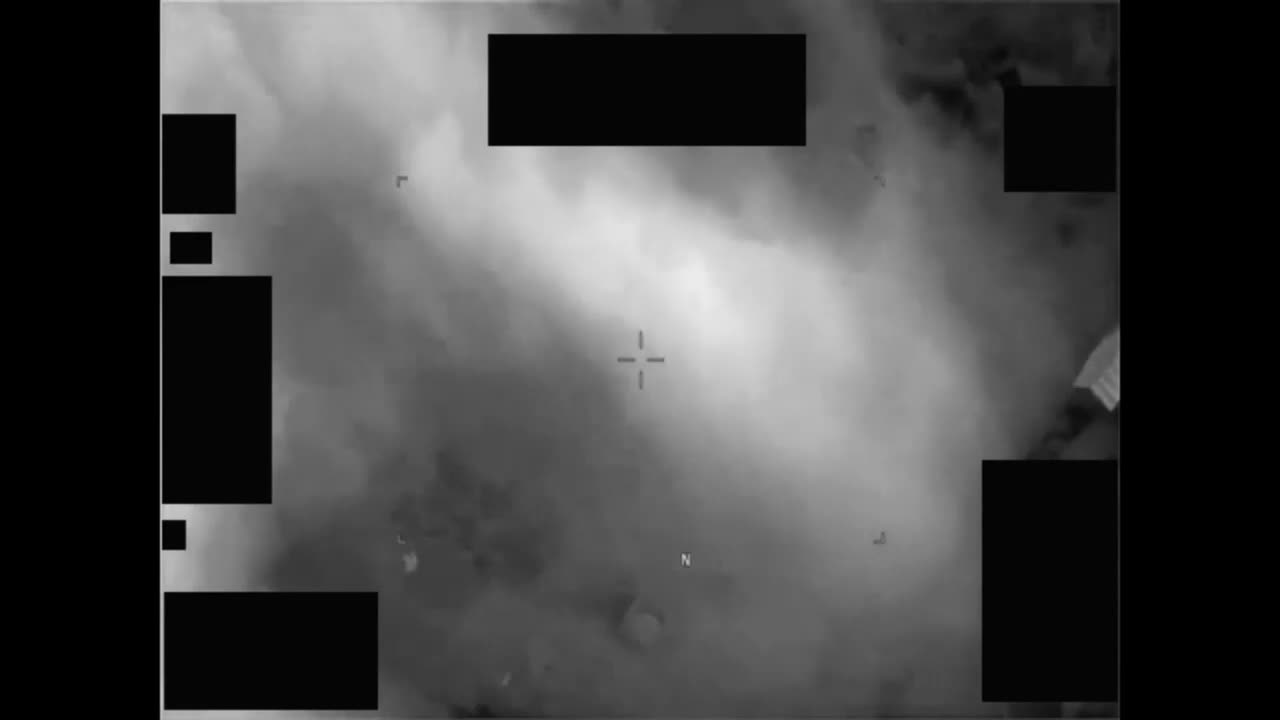
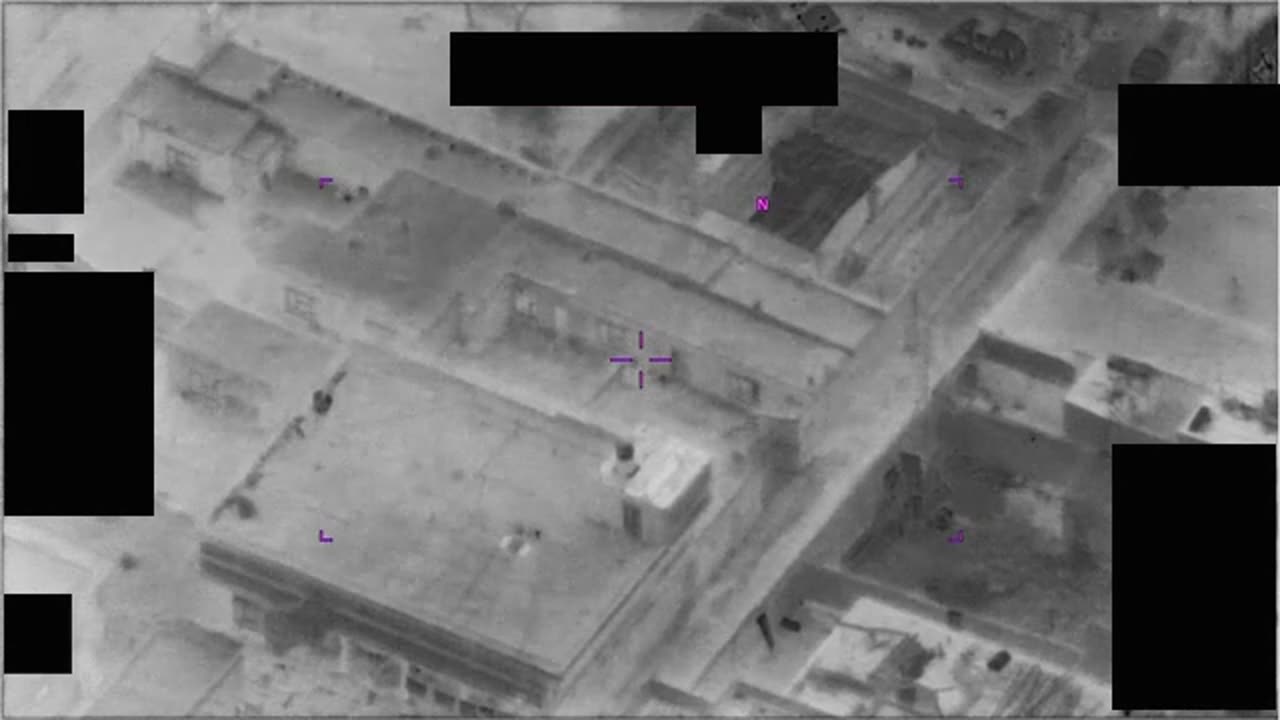
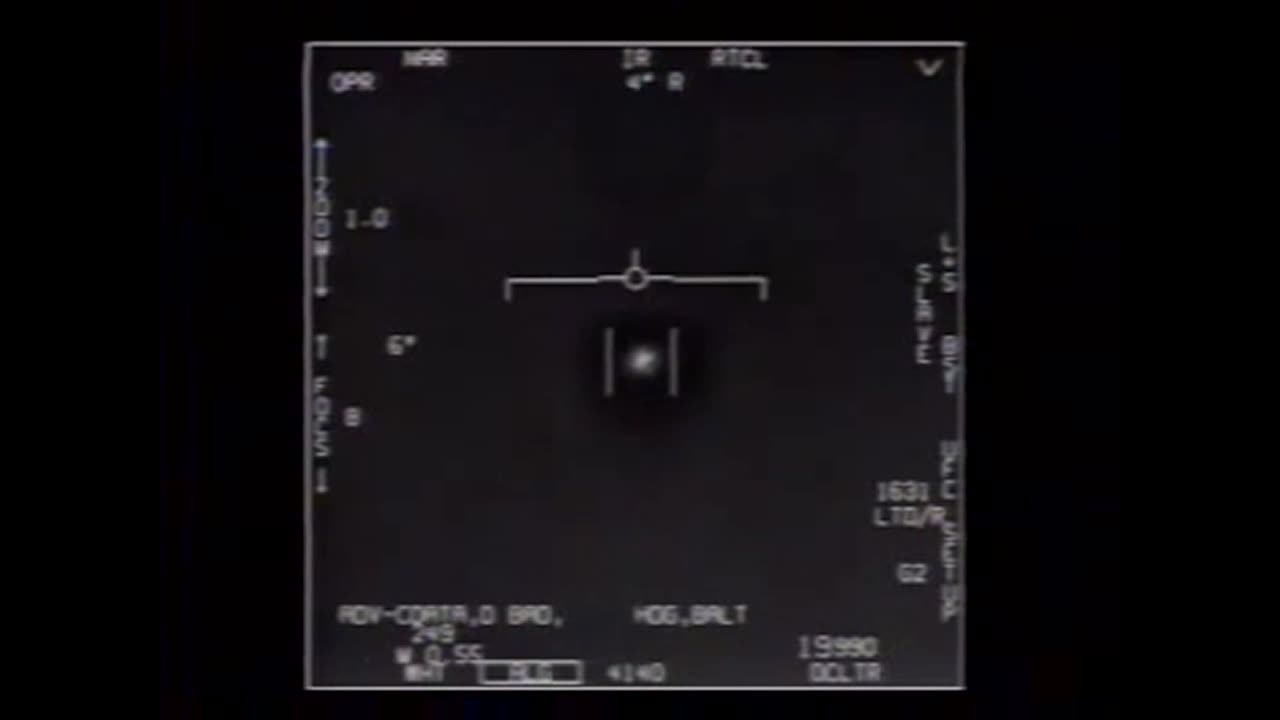
The Department of War released a single PDF on May 8, 2026, and with it, the official record of what a U.S. military operator saw over Syria on October 20, 2024, now sits in a public archive. The document is a Mission Report, form MISREP, filed under the PURSUE archive. It describes a “misshapen and uneven ball of white light” observed at 1559Z during a Full-Motion Video and SIGINT collection mission. The operator called it a “light/glare halo effect” at the top of the FMV feed.
That is the raw data. The analysis starts with the date of the declassification: October 24, 2025. MG Richard A. Harrison, USCENTCOM Chief of Staff, signed off on it. That is not an automatic process. Someone had to pull this specific report from a stack, decide it was safe to release, and stamp it. The timing matters. By late 2025, the All-domain Anomaly Resolution Office (AARO) had been operational for years, centralizing UAP investigations across air, sea, space, and land. The Department of War, a name resurrected from the pre-1947 National Military Establishment, is now the agency handling these disclosures. The old name carries weight. It signals a return to a more direct, less bureaucratic approach to military affairs.
What is absent from the report is as telling as what is present. The official description of the UAP is limited. The document itself cautions that the language used is the reporter’s subjective interpretation at the time. That is standard military boilerplate. But it also means the Pentagon is not vouching for the object’s reality. They are vouching for the report. The operator saw something. The sensors recorded something. What that something was, the document does not say. No identification. No explanation. Just a ball of white light, uneven, misshapen.
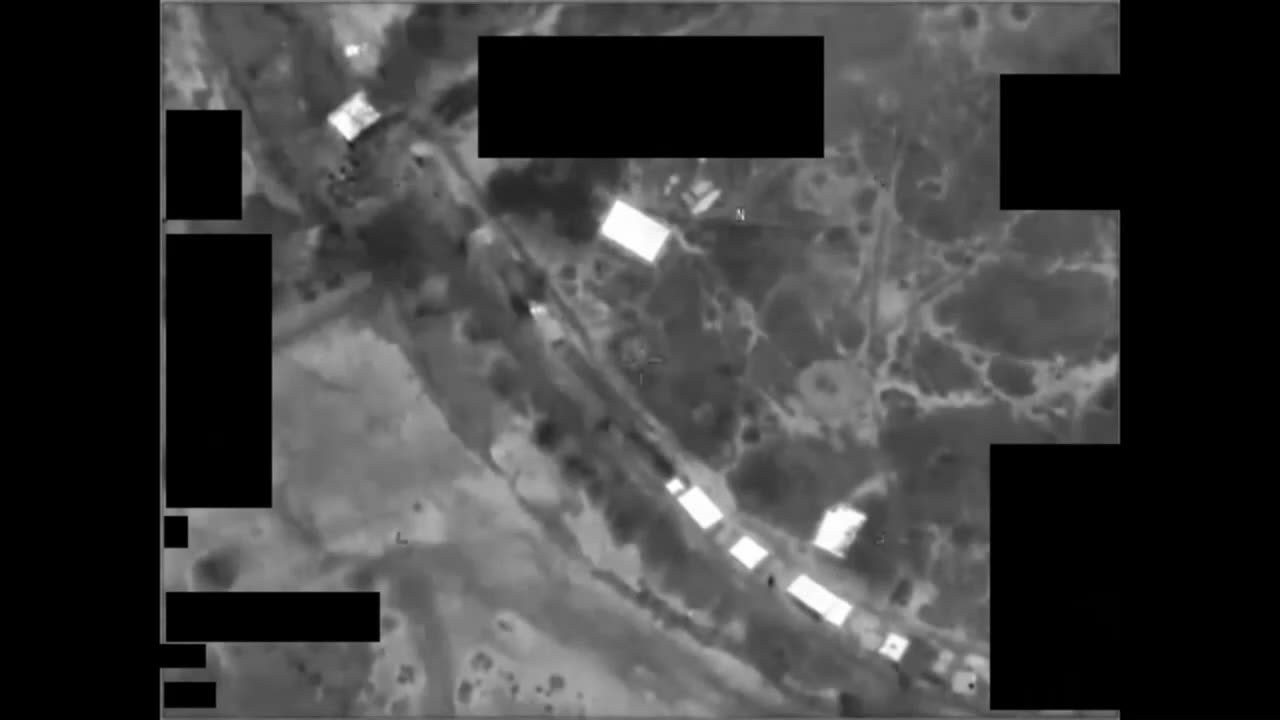
The mission was in Syria. October 2024. The operator was performing FMV and SIGINT collection. That is surveillance work. Eyes and ears over a combat zone. The UAP appeared at the top of the video feed, a halo effect. It could be a sensor artifact. It could be a laser. It could be a drone with a bright light. It could be something else entirely. The report does not rule out any of those possibilities. It simply records the observation.
This is where the AARO context fits. The office was established to provide a centralized point for UAP reporting. Before AARO, these reports were scattered across services, often buried. Now they are collected, analyzed, and sometimes declassified. The PURSUE archive is the public face of that effort. The release of this Syria report is a data point in a larger pattern. The military is not saying UAPs are alien. They are saying the reports exist, they are real, and they are being tracked.
The likely trajectory is more of the same. More reports will trickle out. Each one will be a single observation, a single operator’s account, a single timestamp. The aggregate will build a picture, but a blurry one. The forces behind this are institutional. The Department of War and AARO are now in a disclosure pipeline. They are not trying to prove anything. They are trying to normalize the reporting process. The outcome will be a slow, grudging acceptance that the sky over conflict zones contains things the military cannot immediately identify. No grand revelation. Just paperwork, one MISREP at a time.