Fire and Rescue NSW has 6,800 firefighters spread across 335 stations. They train for the worst. On December 7, 2025, the worst arrived.
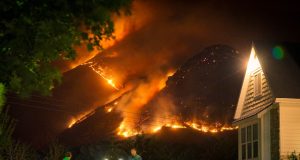
Bushfires tore through New South Wales and Tasmania. A firefighter died. Dozens of homes burned. The agency, the state’s primary fire service, threw everything it had at the flames. It was not enough to stop the loss.
This is not a surprise to scientists who study fire seasons. They point to drought. They point to extreme weather. Those conditions have been building for years. When they converge, the result is fire behavior that overwhelms even well-equipped crews.
Fire and Rescue NSW relies on a network of community fire unit volunteers. These are local people trained to defend their own neighborhoods. They are not professionals. They are neighbors with hoses and radios. In a disaster of this scale, they become essential. The agency’s official response could not have covered every street without them.
The death of a firefighter is the hardest part to report. Every person who puts on that uniform knows the risk. They do it anyway. The agency has protocols, safety briefings, backup plans. None of it guarantees a return home. The families of the fallen know this too. That does not make the news easier to deliver.
Homes are gone. Not just structures. People’s lives were inside those walls. Photographs. Heirlooms. The furniture a grandparent passed down. Evacuation orders sent residents scrambling. Many had minutes to grab what they could. Some grabbed nothing but the kids and the dog.
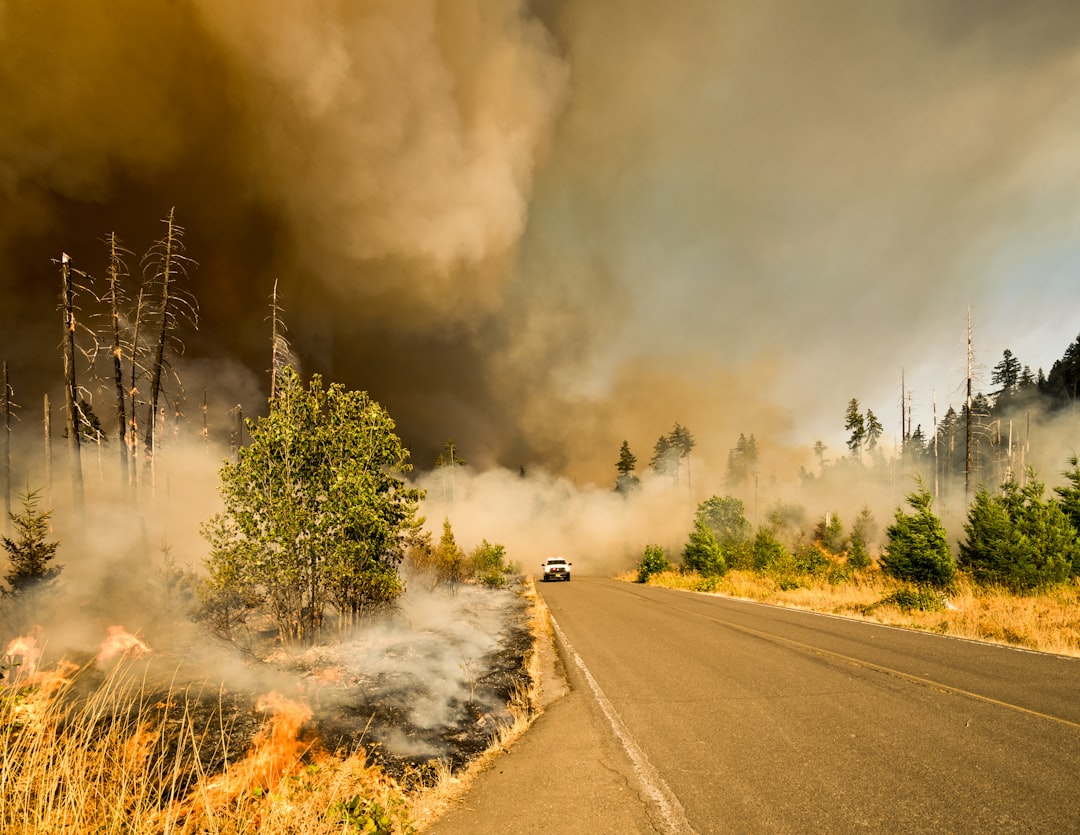
The fires are still burning. Containment lines hold in some areas. In others, the wind shifts and the line breaks. Firefighters rotate in and out. They sleep in shifts. They eat cold food. They go back out.
New South Wales has seen this before. The 2019-2020 season was catastrophic. Millions of hectares burned. Lives were lost. Homes were destroyed. The memory of that summer is still raw. This December outbreak brings it all back. Same geography. Same grief. Same questions about whether enough is being done to prepare.
Drought has dried the fuel load. Grass, brush, timber — it all burns hotter and faster when moisture is gone. Extreme weather amplifies that. Hot days. Low humidity. Strong winds. The ingredients for a firestorm. Scientists have been saying this pattern will repeat. It is repeating now.
The response effort is massive. But response is reactive. The fire is already moving by the time crews arrive. Prevention is the other half of the equation. Controlled burns. Firebreaks. Land management. Public education. Those measures take time and money. They do not make headlines until they fail.
For now, the priority is containment. Protect what is left. Keep firefighters safe. Support the communities that lost everything. The long-term effects on ecosystems are a concern. Burned land recovers slowly. Some species do not recover at all. That is a problem for another day.
Today, the focus is on the fireline. The men and women holding it. The volunteers backing them up. The families waiting for word. The death count stands at one firefighter. Dozens of homes are ash. The fires are not done yet.