The Bab-el-Mandeb Strait is a narrow choke point. About 20 miles wide at its narrowest. A third of the world’s container ship traffic passes through it. Oil tankers, bulk carriers, cargo vessels — all squeeze between the Horn of Africa and the Arabian Peninsula. Now, the Houthi rebels say they will target Israeli-owned or flagged ships in that waterway.
Spokesman Yahya Sarea made the announcement on November 19, 2023. The group, backed by Iran, declared its intention to strike vessels connected to Israel. The statement itself is a piece of theater. The consequences are concrete.
Shipping companies will reroute. That is the immediate fallout. A voyage from the Persian Gulf to the Mediterranean that normally goes through the Red Sea and the Suez Canal will instead go around the Cape of Good Hope. That adds weeks to a journey. It adds fuel costs. It adds insurance premiums. War risk insurance for the Red Sea just went up. Every shipmaster and freight forwarder in the business knows it.
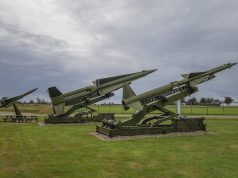
Israel’s maritime trade is substantial. Its ports at Haifa and Ashdod handle millions of tons of cargo each year. Much of that cargo moves through the Bab-el-Mandeb. The Houthis do not need a navy to threaten it. They have ballistic missiles and drones. The report notes they have used these weapons against targets in Saudi Arabia and the United Arab Emirates. The same weapons can reach ships at sea.
The Houthis have been fighting a war in Yemen since 2015. That war has given them combat experience. It has given them access to Iranian weaponry. The report states Iran has provided financial and military support. This backing has been consistent. It is not new. What is new is the explicit targeting of Israeli commercial interests.
The US State Department has called Houthi actions “reckless and destabilizing.” That is diplomatic language for a serious problem. The US Navy maintains a presence in the region. It has a long-standing alliance with Israel. The US has pledged to support its partner. What that support looks like in practice is unclear. A naval escort for every Israeli-flagged vessel? A patrol zone in the strait? A strike on Houthi launch sites?
Each option carries risk. Escorting ships ties up naval assets. Patrolling a narrow strait does not stop a missile fired from a pickup truck on the Yemeni coast. Striking launch sites means expanding a conflict. The Houthis have already shown they can hit targets deep inside Saudi Arabia and the UAE. They can likely hit targets in the Red Sea.
The wider region is watching. Egypt relies on Suez Canal revenues. Disruption to Red Sea shipping hits its economy directly. Saudi Arabia and the UAE have their own maritime trade. They also have their own war with the Houthis. A broader conflict involving Israel and the Houthis could pull in Iran. It could pull in Hezbollah. It could pull in the US.
The Houthi statement is a single data point. But it fits a pattern. The group has attacked oil tankers before. It has disrupted global energy supplies. It has threatened international trade. Now it has added Israeli shipping to its target list. The threat is not abstract. Ships pass through the Bab-el-Mandeb every hour. Each one is a potential target. Each one is a potential trigger.