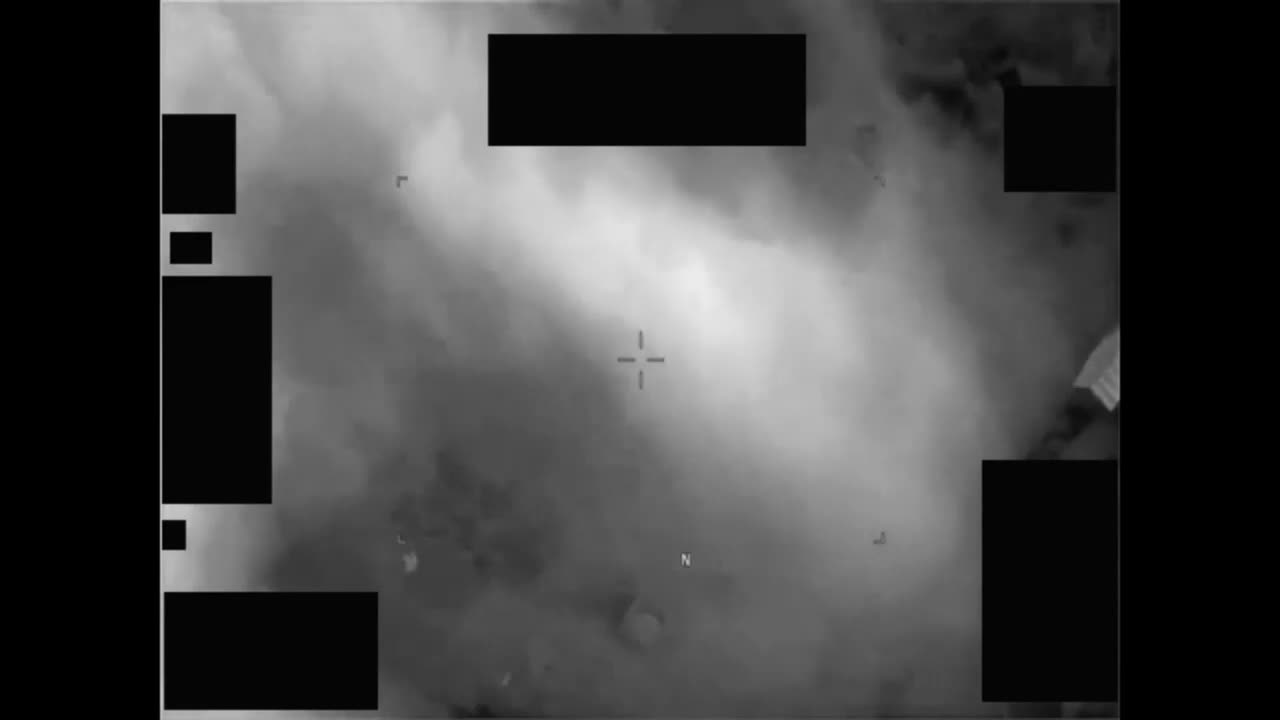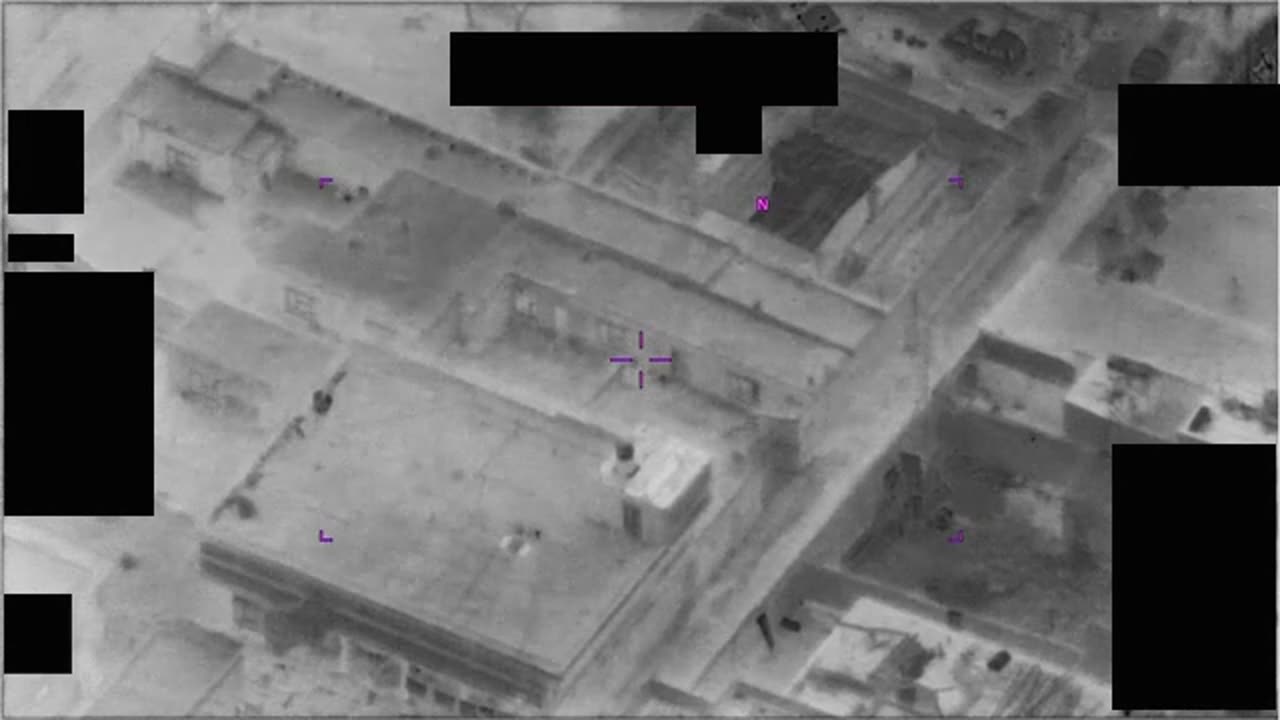
A medieval Crusader castle built of black basalt stone looks down on the coastal Syrian city of Baniyas. On May 29, 2024, that city and the area around Homs shook with explosions. An Israeli Defense Forces airstrike hit targets there. One civilian died. Three members of Hezbollah died. Ten people were hurt.
The numbers are precise. The stakes are not.
Baniyas sits on the Mediterranean coast in western Syria, close to the Lebanese border. That proximity is the point. For years, Hezbollah has used this stretch of coast as a staging ground. The city is a strategic node. It is also a place where people live, where citrus fruit grows in orchards, where wood is cut and shipped. An oil refinery, the largest in Syria, sits north of the city. The Kirkuk–Baniyas pipeline once moved crude from Iraq to the sea. It has been dead since 2003, since the US-led invasion of Iraq. The pipeline is a relic. The refinery is not. It is working infrastructure. It is also a potential target.
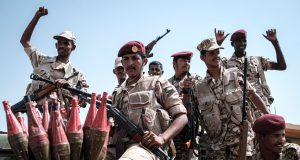
Israel has been clear about its intentions. It is actively targeting Iranian-backed militant groups operating inside Syria. Hezbollah is the most capable of those groups. It is also the one with the deepest roots in Lebanese society and the one most directly positioned on Israel’s northern border. The airstrike on May 29 was not an isolated event. It was one move in a long campaign of raids, bombings, and assassinations that stretches back years. Each strike carries the same question: how close is too close?
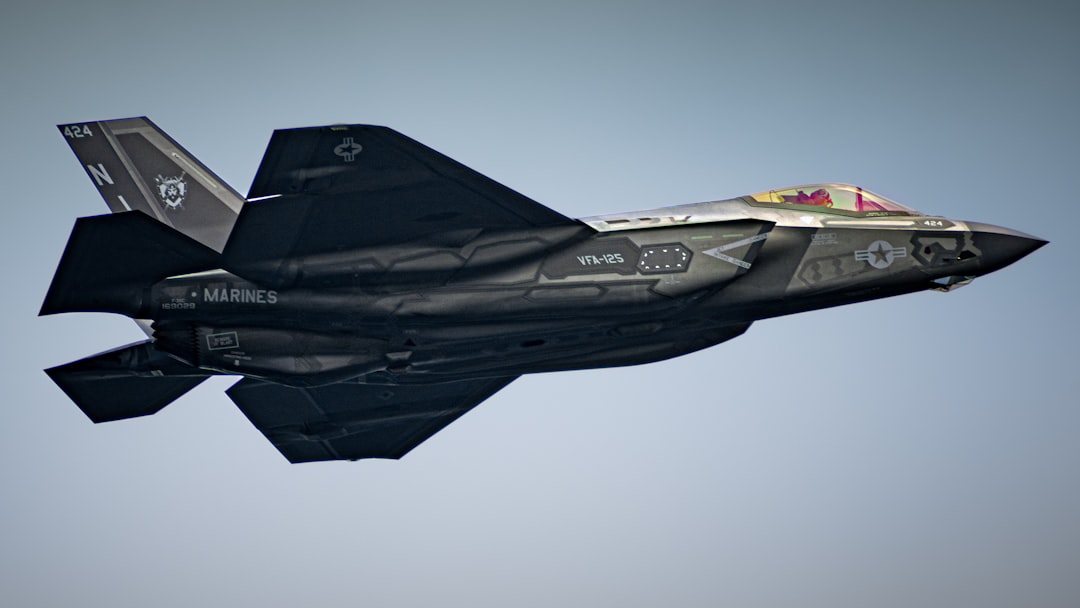
The civilian death toll matters. One dead civilian is one too many for any government that claims to value life. But the real weight of this event is not in the count of bodies. It is in what the strike reveals about the geography of the conflict. Baniyas is not the Golan Heights. It is not the outskirts of Damascus. It is a coastal city. That means the Israeli Air Force is now hitting targets deep inside Syrian territory, near the sea, near the border with Lebanon, near the refinery. The operational reach of the IDF has expanded. The risks have expanded with it.
Hezbollah has been a major concern for Israel for decades. The group fought a war with Israel in 2006. It has since built an arsenal of rockets and missiles that dwarfs what it had then. It has sent fighters into Syria to prop up the Assad government. It has dug tunnels, built bunkers, and positioned itself for the next round. Israel has been working to disrupt those preparations. The airstrike on May 29 was part of that work.
The United States has designated Hezbollah a terrorist organization. The US President has been clear in his administration’s support for Israel’s right to self-defense. The US has been working with allies in the region to counter Iranian influence. Iran backs Hezbollah. Iran supplies it with weapons, money, and training. That Iranian support is a major point of contention. Many in the international community see it as a destabilizing force. The airstrike was a direct response to that support.
History presses on this ground. The Crusader castle of Margat, built by the Knights Hospitaller, stands near Baniyas. It was built with black basalt. It was a fortress. It is now a tourist site. The ancient city of Baniyas was once called Balanea. It was known as Leucas-Claudia. Empires have come and gone. The latest struggle is between Israel and Iran, fought through proxies on Syrian soil. The old castle watched centuries of war. It will watch more.
The military operation hit its targets. Four dead. Ten wounded. One of the dead was a civilian. The rest were Hezbollah fighters. The strike happened. The region waits for the next one.