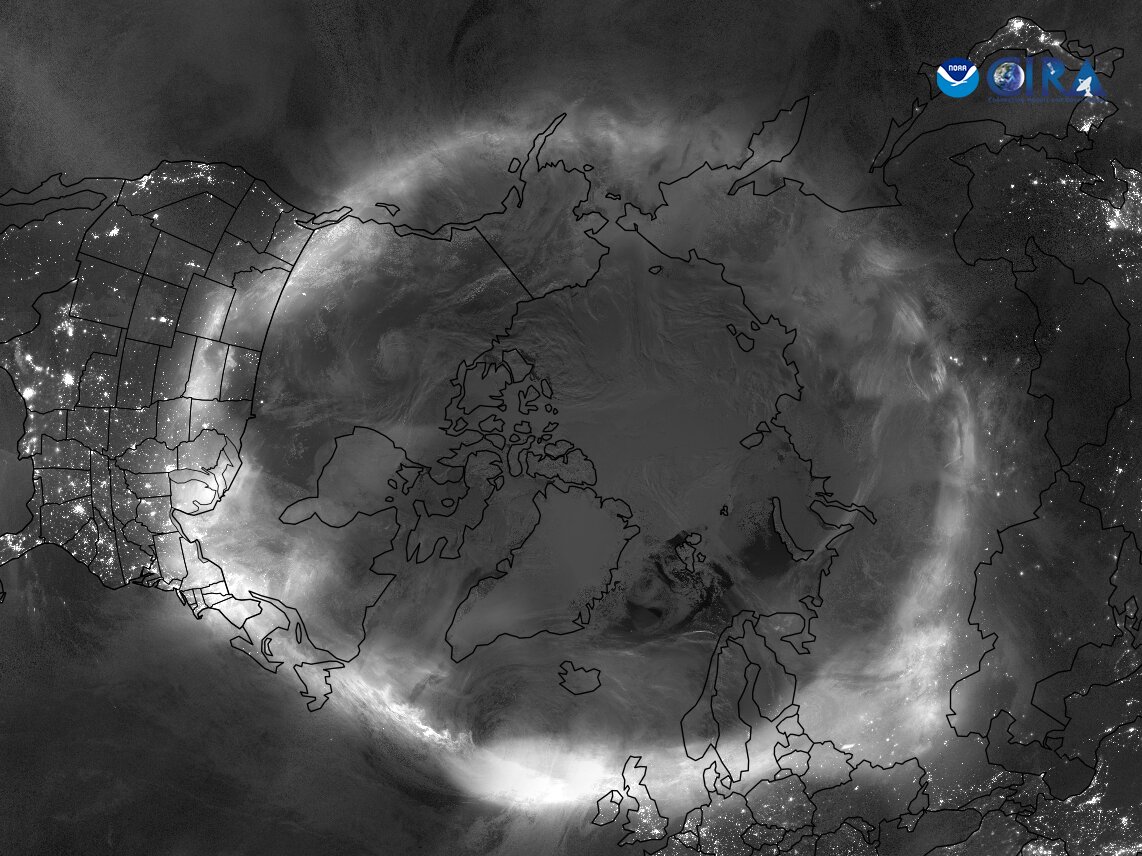
A powerful geomagnetic storm struck Earth on May 10, 2024, reaching an intense G5 level and triggering spectacular aurorae displays across the globe. This significant event prompted NOAA’s Space Weather Prediction Center to issue its first G4-level storm watch since 2005, highlighting the storm’s potential impact on Earth’s magnetic field and upper atmosphere. As the storm’s effects continue to unfold, scientists and space enthusiasts alike are abuzz with excitement, eager to study and learn from this rare and fascinating phenomenon.
The geomagnetic storm is a result of interactions between the Earth’s magnetosphere and large-scale plasma and magnetic field structures originating from the Sun. These structures, including interplanetary coronal mass ejections (CME) and corotating interaction regions (CIR), can cause temporary disturbances in the Earth’s magnetic field, leading to spectacular displays of the aurora borealis and aurora australis. The frequency of these storms is closely tied to the sunspot cycle, with more frequent and intense storms occurring during solar maxima. As the Sun is currently in an active phase of its cycle, scientists expect an increase in geomagnetic storm activity in the coming months and years.
Understanding Geomagnetic Storms
Geomagnetic storms are complex events that involve the interaction of multiple factors, including the strength and speed of the solar wind, the density of the plasma, and the orientation of the magnetic field. The storms can cause a range of effects, from spectacular aurorae displays to disruptions in communication and navigation systems. In extreme cases, geomagnetic storms can even cause power grid failures and other infrastructure disruptions. By studying these events, scientists can gain a deeper understanding of the complex interactions between the Earth’s magnetosphere and the solar wind, ultimately helping to improve our ability to predict and prepare for these events.
The impact of geomagnetic storms on modern technology is a growing concern, as our reliance on satellite-based communication and navigation systems continues to increase. The storms can cause signal delays and disruptions, potentially affecting everything from GPS navigation to satellite television broadcasts. However, the study of geomagnetic storms also presents opportunities for innovation and advancement, as scientists and engineers develop new technologies and strategies to mitigate the effects of these events. From advanced magnetic shielding to more resilient communication systems, the challenge of geomagnetic storms is driving innovation and pushing the boundaries of what is possible.
As scientists continue to study the May 10 geomagnetic storm, they are gaining valuable insights into the complex dynamics of the Earth’s magnetosphere and the solar wind. The storm’s G5 intensity is a rare and significant event, offering a unique opportunity for researchers to study the effects of a powerful geomagnetic storm on the Earth’s magnetic field and upper atmosphere. By analyzing data from a range of sources, including satellites, ground-based observatories, and radar systems, scientists can build a more detailed understanding of the storm’s dynamics and effects. This knowledge will ultimately help to improve our ability to predict and prepare for future geomagnetic storms, protecting our technology and infrastructure from the potential impacts of these events.
Looking to the future, the study of geomagnetic storms is an exciting and rapidly evolving field, with new discoveries and advancements being made regularly. As our understanding of these events continues to grow, we can expect to see significant improvements in our ability to predict and prepare for geomagnetic storms, ultimately helping to protect our technology and infrastructure from the potential impacts of these events. With the Sun expected to remain in an active phase of its cycle for the coming months and years, the opportunities for scientific discovery and innovation are vast, and the potential for breakthroughs in our understanding of the Earth’s magnetosphere and the solar wind is tremendous. As we continue to explore and study the complex and fascinating phenomenon of geomagnetic storms, we can expect to uncover new and exciting insights into the dynamic and ever-changing nature of our planet’s magnetic field and upper atmosphere.