
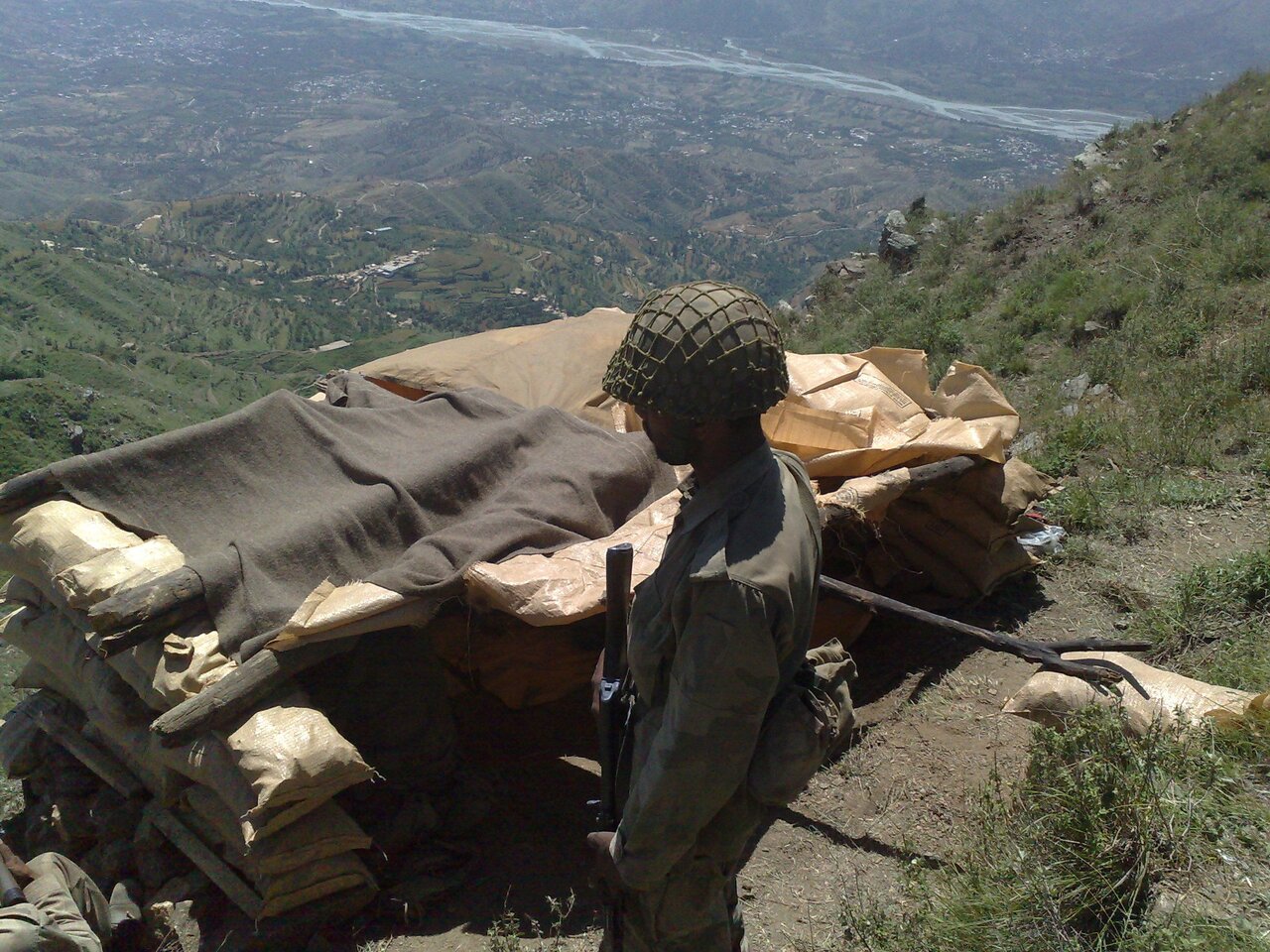
A deadly roadside bombing struck a police vehicle in the Hangu District of Khyber Pakhtunkhwa, Pakistan, on October 24, 2025, killing three people. The attack occurred in a former stronghold of the Pakistani Taliban, a militant organization that has been a thorn in the side of the Pakistani government for years. The Pakistani Taliban, also known as the Tehreek-e-Taliban Pakistan (TTP), has been responsible for numerous attacks on security forces and civilians in the region.
The TTP is a Deobandi jihadist militant organization that operates primarily along the Afghanistan-Pakistan border. Founded by Baitullah Mehsud in 2007, the group has been led by Noor Wali Mehsud since 2018. The TTP has publicly pledged allegiance to the Taliban, which has governed Afghanistan since 2021, but it operates independently and does not share the Taliban’s command structure. This complex web of relationships between militant groups in the region has made it challenging for the Pakistani government to combat the threat posed by the TTP.
As a terrorist organization designated by the United Nations and the Government of Pakistan, the TTP has been the target of numerous military operations aimed at disrupting its activities. Despite these efforts, the group remains a potent force in the region, and its ability to carry out attacks like the one on October 24, 2025, is a testament to its enduring presence. The TTP’s ideology is rooted in a highly conservative interpretation of Sunni Islam, and its adherents are committed to imposing their vision on the people of Pakistan. The group’s actions have been widely condemned by the international community, including the United States, which has been a key partner for Pakistan in its efforts to combat terrorism.
The situation in Pakistan is being closely watched by the US administration, which has been working to strengthen ties with the Pakistani government. The US has provided significant assistance to Pakistan to help it combat the threat posed by the TTP and other militant groups. The US-Pakistan relationship is complex and has faced numerous challenges over the years, but the two countries have a shared interest in combating terrorism and promoting stability in the region. As the US continues to engage with Pakistan on a range of issues, including counterterrorism and economic development, it is likely to remain a key player in efforts to address the threat posed by the TTP.
Regional Implications
The attack on October 24, 2025, has significant implications for the region, where the TTP’s activities have contributed to a climate of fear and instability. The group’s ability to operate across the Afghanistan-Pakistan border has made it a challenge for security forces to disrupt its activities. The situation is further complicated by the presence of other militant groups in the region, including those with ties to the Iranian government. The Iranian government’s support for militant groups in the region has been a source of concern for the US and its allies, which have accused Tehran of destabilizing the region through its proxy forces.
As the international community continues to grapple with the challenges posed by the TTP and other militant groups, it is clear that a comprehensive approach will be needed to address the root causes of the problem. This will require a sustained commitment to counterterrorism efforts, as well as a focus on promoting economic development and stability in the region. The US and its allies will need to work closely with the Pakistani government and other regional partners to develop a strategy that can effectively combat the threat posed by the TTP and promote a more secure and prosperous future for the people of Pakistan. With the situation on the ground remaining fluid, one thing is certain: the international community will be watching developments in Pakistan closely in the days and weeks ahead.




























 militant group.)