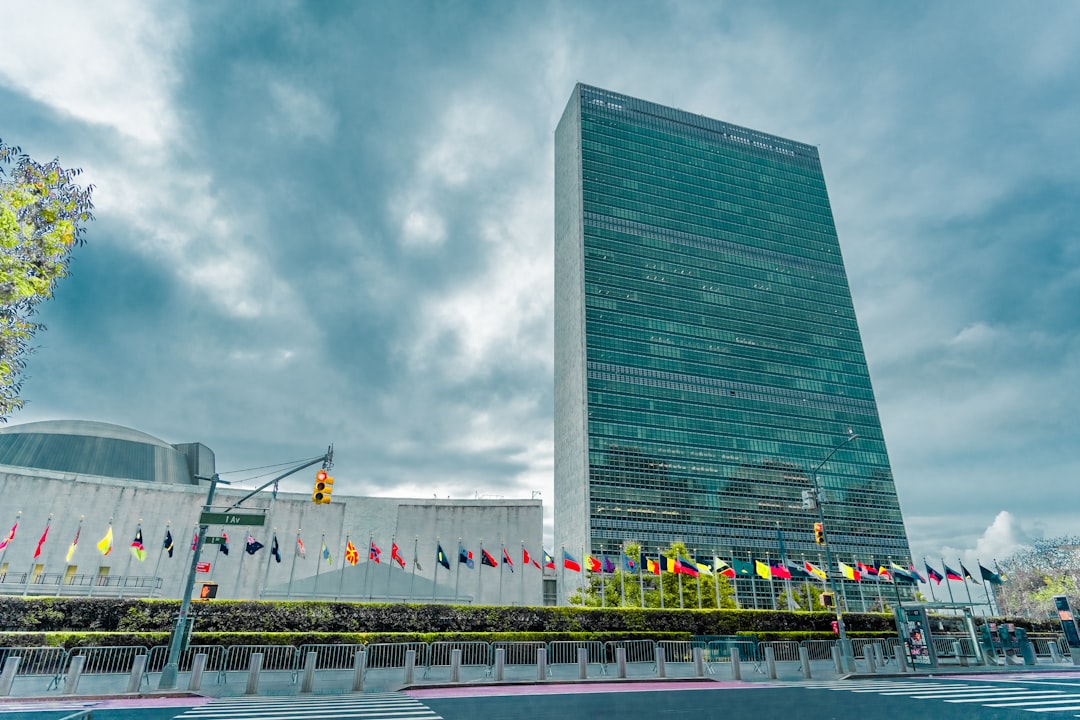
Russia’s expulsion from the UN Human Rights Council is immediate, but its effects will unfold over months. The vote strips Moscow of its voice and vote in the 47-member body. That loss matters less for Russia’s direct power — Moscow was already isolated there — than for the diplomatic signal it sends.
The tally was 93-24, with 58 abstentions. That two-thirds majority required Western diplomats to spend 48 hours lobbying swing states. Moscow had warned that a yes vote would be treated as an “unfriendly act.” Still, the resolution passed with room to spare. When the electronic board froze at 93 approvals, the chamber erupted in applause.
Russia’s deputy ambassador Gennady Kuzmin called the resolution “an attempt by the United States to maintain its dominant position and human-rights colonialism.” He walked out. That walkout, and the vote itself, hardens the diplomatic front lines. Countries that abstained — Brazil, India, Mexico, South Africa — now face pressure from both sides. They kept Moscow at arm’s length without directly opposing it. That middle ground is shrinking.
The driving force behind the vote was evidence from Bucha. On 2 April, after Ukrainian forces retook the commuter suburb northwest of Kyiv, horrific images emerged. Satellite footage, body-cam recordings and witness accounts showed at least 300 civilians shot, some with hands bound. Ukraine’s prosecutor general Iryna Venediktova said on 6 April that preliminary examinations revealed “multiple executions committed by Russian troops between 10 and 31 March.”
UN under-secretary-general for political affairs Rosemary DiCarlo told the assembly: “We have seen bodies lying in the street, some with signs of summary execution.” She added that the UN could not verify all circumstances but that the pattern demanded accountability. Those words shifted fence-sitters. Even traditionally neutral Singapore voted yes.
The suspension is not permanent. A country can be readmitted by a General Assembly vote. But the bar is high and the political cost of advocating for Russia’s return would be severe. For now, Moscow loses a platform it used to deflect criticism onto other nations.
What happens next depends on the ground war. The Human Rights Council has no enforcement power. It can commission investigations, issue reports, and refer cases to the International Criminal Court. But the ICC already opened an investigation into Ukraine in March. The council’s suspension of Russia adds weight to that process. It gives investigators a clearer mandate and makes it harder for Moscow to dismiss their work as biased.
Diplomatic fallout is already visible. China, Cuba, Iran and Syria voted no. That bloc is small but vocal. They will use Russia’s expulsion as evidence that Western powers control UN bodies. The 58 abstentions include major non-aligned states. Those countries will now face intensified lobbying from both the US and Russia. Each side will frame the vote differently — Washington as a stand for human rights, Moscow as a political vendetta.
For Ukraine, the vote is a victory but not a decisive one. Bucha’s dead remain unburied in formal graves. The suspension does not stop Russian artillery or bring troops home. It does, however, isolate Moscow further. Every international body that distances itself from Russia narrows the space for normalizing the invasion.
The real test will come in the next UN session. Without a seat on the Human Rights Council, Russia cannot block resolutions or shape reports. It cannot vote on new investigations. Its allies on the council lose a coordinating voice. That shifts the balance inside the room, even if the balance on the battlefield stays the same.